01
The Apartment Home Gym
Quiet, compact, and renter-safe — a full-body gym that fits in a corner, won't annoy the neighbors below, and leaves no holes in the wall when you move out.
An apartment has three constraints a garage doesn’t: space, noise, and the fact that it’s not yours to drill. This build is designed around all three — compact gear that stores in a closet, nothing you drop on the floor, and no permanent installation.
It leads with a compact dial dumbbell set that sits on a stand, a light folding bench, and an adjustable kettlebell that replaces a whole rack of bells. A no-drill doorway pull-up bar adds back work without touching the wall, resistance bands give you silent strength work for late evenings, and foam floor tiles protect the floor and dampen sound. It all lands under $600.
The golden rule in an apartment: set weights down, never drop them. With that habit and the floor tiles below, this is a gym you can use at 10pm without a knock on the door.
The build, costed to the dollar
Every piece in buy-first order, with a running total and the budget left after each. Prices are live from Amazon and update automatically.
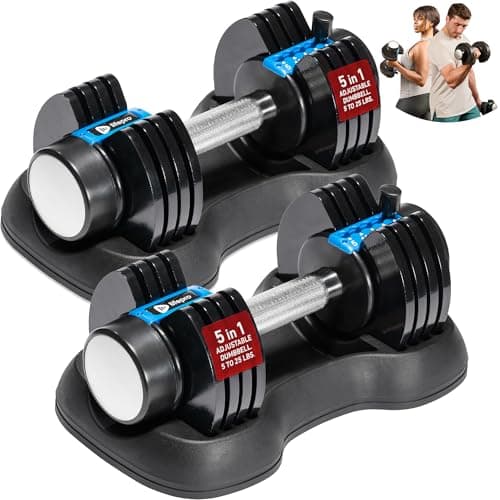
A dial pair with a stand — quiet and off the floor.
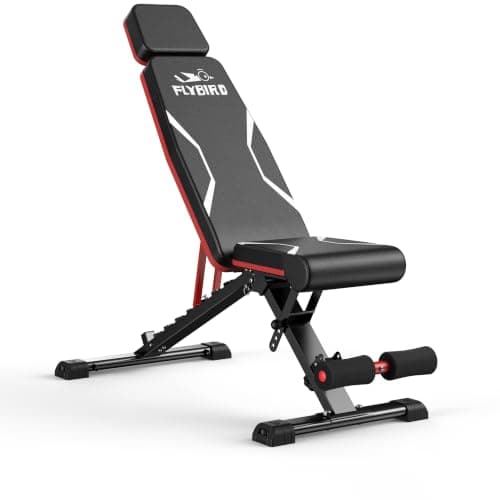
Folds away at 27 lb, with an extended backrest and headrest for taller lifters.
$139.99 23% off
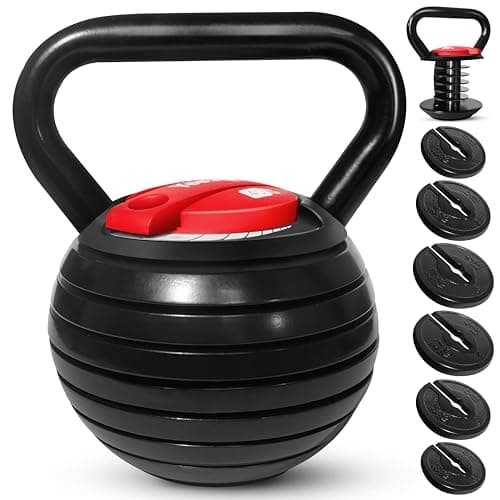
One bell instead of a rack of them.
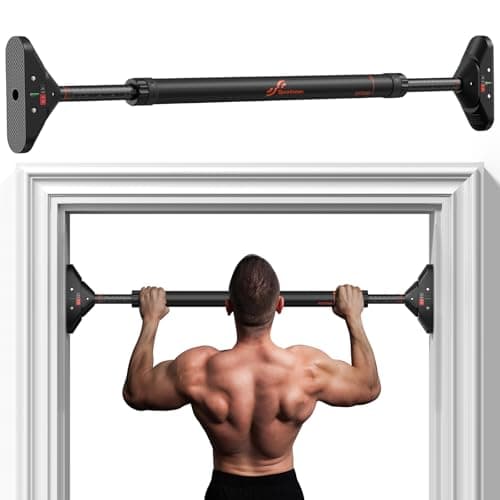
No-drill doorway mount — deposit-safe.
$49.99 20% off
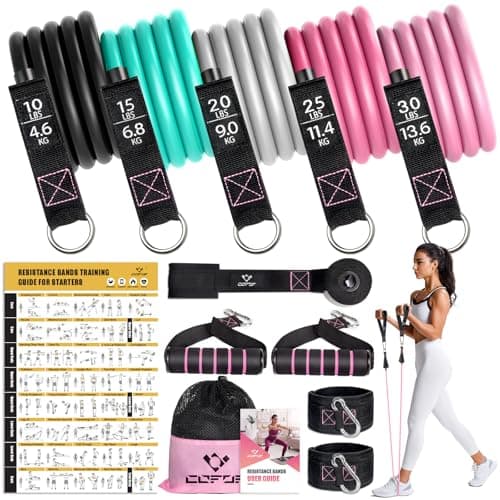
Silent resistance for evenings with neighbors below.
$26.97 22% off
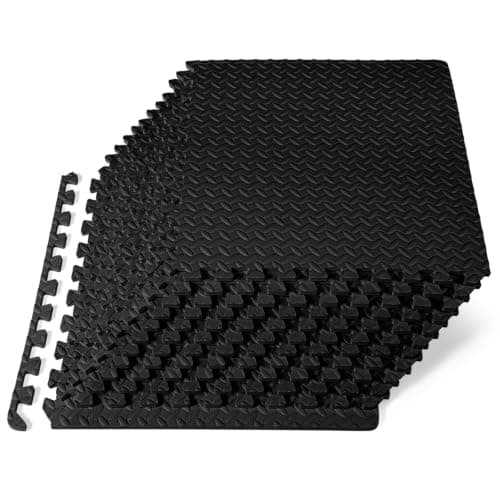
Foam tiles protect floors and dampen noise.
Room left for extras — plates, a second kettlebell, or a mat.
Notes, swaps, and where to save
Keeping it quiet
Noise in an apartment comes from two things: impact (dropping weights) and vibration (jumping, dynamic lifts). The foam tiles handle most of it, but the bigger factor is technique — lower weights under control and place them down. Bands and dumbbells are nearly silent; save explosive kettlebell swings for daytime if you have downstairs neighbors.
Storing it all
Everything here tucks away. The dumbbells sit on their stand or in a closet, the bench folds flat against a wall, the kettlebell and bands go in a drawer, and the pull-up bar lifts out of the door frame in seconds. A single corner is enough.
What to skip in an apartment
- A barbell and bumper plates. Dropping a loaded bar in an apartment is a non-starter — stick to dumbbells and the kettlebell.
- A wall-mounted rack. It needs studs and permanent bolts; save it for a place you own. See racks and stands for when you move.
- Cardio machines. A treadmill is loud through a floor; a jump rope (on the mats) or brisk walks outside do the job for free.
Two companion pages for a room that has another job. Everything here that collapses or swings out of the way is ranked in best folding home gym equipment, and the cheapest complete version of this build is in best home gym equipment under $100.
Common questions
Can you have a home gym in an apartment?
Yes. A compact, quiet setup — adjustable dumbbells, a folding bench, an adjustable kettlebell, a no-drill pull-up bar, bands, and foam floor tiles — fits in a corner, stores in a closet, and won't disturb neighbors if you set weights down instead of dropping them. This whole build lands under $600.
How do I work out without annoying downstairs neighbors?
Use interlocking foam floor tiles to absorb impact and vibration, lower weights under control instead of dropping them, and favor near-silent tools like dumbbells and resistance bands. Save any explosive movements like kettlebell swings for daytime hours if you share a floor.
What equipment is best for a small apartment gym?
Prioritize gear that adjusts and folds: a dial or plate adjustable dumbbell set (one pair, not a rack), a folding bench, and an adjustable kettlebell that replaces several fixed ones. Add a no-drill doorway pull-up bar and resistance bands. Everything should store in a closet or drawer.
Can I do a full workout in a small space?
Yes. Adjustable dumbbells and a bench cover presses, rows, curls, and lunges; a pull-up bar handles your back; a kettlebell adds swings and carries; bands fill in accessory work. That's a complete full-body program in the footprint of a single corner.
Read next
Moving somewhere with a garage? See the full build.
When you have space to drop a barbell, the $1,000 Build is the natural upgrade.