Dropped, or set down? The whole decision
Deadlift flooring is one question with two very different answers, and the question is not how much you lift — it is what happens at the top of the last rep.
- You lower the bar under control. Half-inch dense rubber is enough. You are protecting against scuffs, point loads and the noise of 200-plus pounds arriving on a floor, not against impact. One stall mat per lifting spot does it.
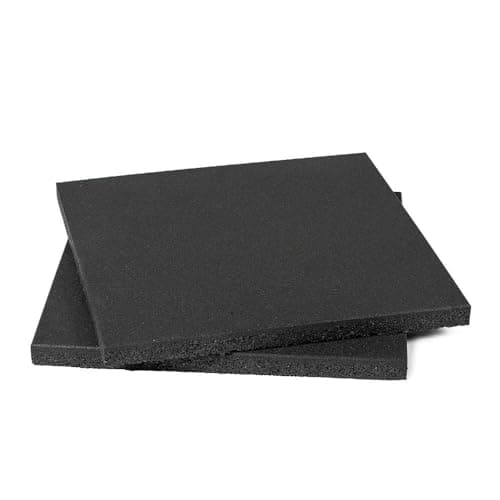
- You drop from the hip, or train touch-and-go with heavy plates. Now you need a purpose-made drop pad: 1.5 inches or more of dense rubber under each end of the bar, or a mat stack over plywood. This is the only case where the expensive tiles are the right buy.
- You are above a room you care about. No flooring makes dropping a loaded bar on a joisted upstairs floor a good idea. Lower under control, use rubber, and read can you put a home gym upstairs? before you load the bar at all.
How much area a home platform needs
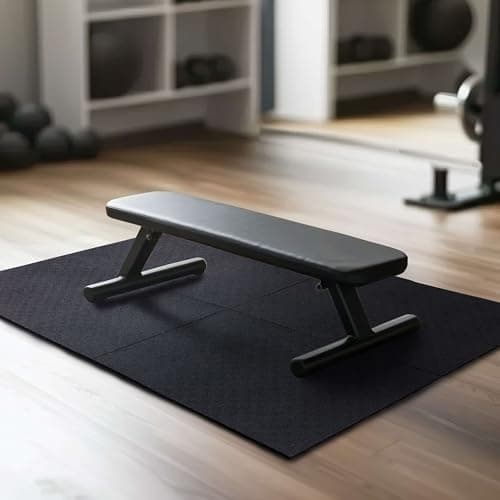
Less than people expect, and this is where the budget is won. A deadlift drop zone only has to cover where the plates land, which is roughly a 24-inch square under each end of the bar — about 8 square feet in total. That is exactly one two-tile pack. You do not floor a room in 1.6-inch rubber; you pad two spots and stand between them.
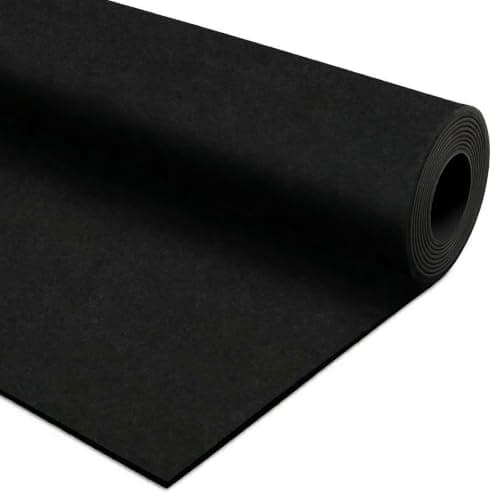
Around that, you want a cheaper layer for everything else: your feet, the bench, the dumbbells, the rack. That is the stall mat or the rubber roll. Done properly, a deadlift setup is two materials doing two jobs — the expensive one in two small squares, the cheap one everywhere you move. Our flooring thickness guide runs the same call by training style, and how to choose gym flooring has the full criteria list.
One ergonomics note that catches people out: a thick pad under the plates and bare floor under your feet means the bar starts higher than normal, which shortens the pull slightly and changes your setup. Either stand on the same height, or accept the difference and keep it consistent so your numbers compare week to week.
Rubber over plywood, and when it is worth it
The classic home platform is plywood with rubber on top: the sheet spreads the load across joists or slab, and the rubber absorbs the impact. If you are deadlifting heavy on a wood-framed floor, that construction does more than any single mat you can buy, because the problem there is load distribution rather than surface hardness.
On a concrete slab, you can skip the plywood — the slab already spreads the load, and rubber alone is doing the real work. That is the case for most garage and basement gyms, and it is why those rooms are the easiest place to deadlift at home. The moisture and rust side of those rooms is covered in garage gym setup and basement home gym.
What flooring will not fix
Noise travelling to a neighbour. Rubber cuts impact noise substantially; it does not make a 300 lb deadlift silent through a shared floor. If you live above someone, the honest answer is to lower the bar under control and train the hinge with dumbbells or a kettlebell on the days that would be unneighbourly — see home gym noise reduction and the apartment build.
Bar and plate wear. A drop pad protects your floor and your plates, not your bar’s knurling or its bushings. Bumper plates help a great deal more than iron plates here, which is the argument in bumper plates vs. iron plates and are bumper plates worth it? If you drop iron plates on any flooring, you will eventually damage both.
Technique. Flooring does not make a heavy pull safe. The hinge does. If the deadlift is new to you, start with how to hip hinge and how to deadlift at home before you spend a dollar on rubber — and keep in mind that for the first year, controlled lowering is both better training and cheaper flooring.
Where flooring sits in the overall budget, against the rack and the bar, is laid out in the $1,000 build. Our top budget pick has its own write-up in the Mohawk stall mat review.