What $100 actually buys
At this budget you are buying one decision, not a gym. The useful question is not “what is the best thing under $100” but “what is the cheapest thing that lets me train every major movement.” Four patterns cover almost all of strength training: a squat, a hinge, a push and a pull. Score each pick on how many of those it unlocks and the ranking above writes itself.
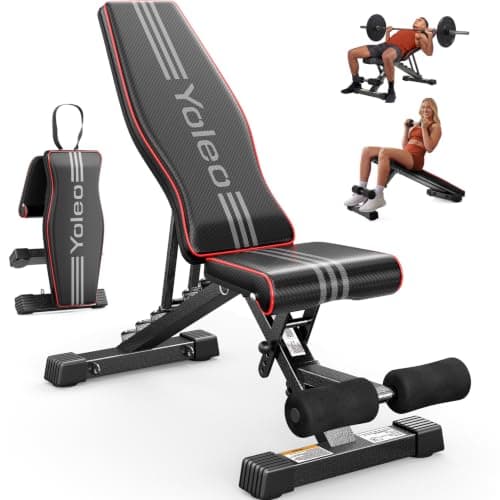
Read that table top to bottom and the budget strategy is obvious. The kettlebell is the only pick that trains three of the four patterns with nothing else in the room, which is why it is first. The bench unlocks the most exercises of anything here but needs weights, so it drops behind two cheaper items for a from-zero buyer and jumps straight to the top for anyone with dumbbells already in a closet.
One kettlebell or a band set first?
Both, if you can — they are about $55 together and they cover each other’s gaps. Forced to choose one:
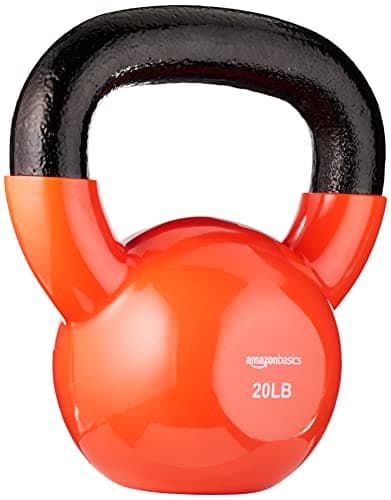
- Pick the kettlebell if you have floor space and want real strength. Twenty pounds of iron loads a hinge and a squat in a way a band cannot, and the resistance never changes under you mid-rep. It is also the only item here that doubles as conditioning — ten minutes of swings is a session.
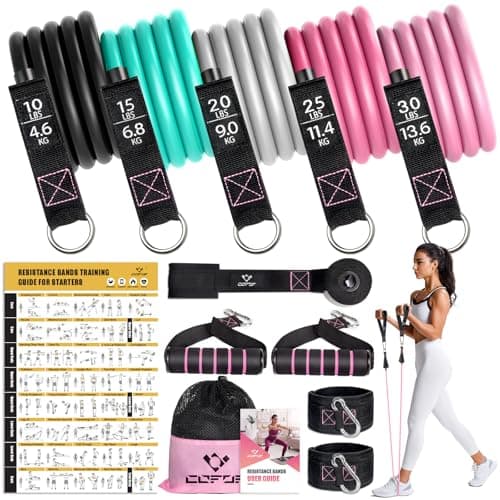
- Pick the bands if you share a wall, train upstairs, or live in a dorm. A band set makes no noise, stores in a drawer, and the door anchor turns any doorway into a pulling station. Resistance climbs as the tube stretches rather than staying constant, which is a genuine difference from iron — we unpack it in resistance bands vs. dumbbells.
If noise and neighbours are the whole reason you are on this page, read the apartment home gym build before buying anything. It is the same decision made for a room you cannot drop weights in.
Where the $100 ceiling costs you something
Three honest limits, so nothing is a surprise after it arrives.
Fixed weight is a ceiling. A 20 lb kettlebell gets light for swings inside a few months, and band tubes top out. Everything here is a starting rung, not a five-year plan. The upgrade path is adjustable dumbbells, the first thing above this budget we would buy — see what weight dumbbells to start with for sizing and are adjustable dumbbells worth it? for whether to make the jump at all.
Nothing under $100 spots you. There is no rack, no safety arm and no spotter at this price, which is exactly why a kettlebell and a bench top the list instead of a barbell. If your plan involves a loaded bar over your chest, the bench budget and the flooring budget both come after a rack with working safety arms. We are blunt about that order in home gym safety.
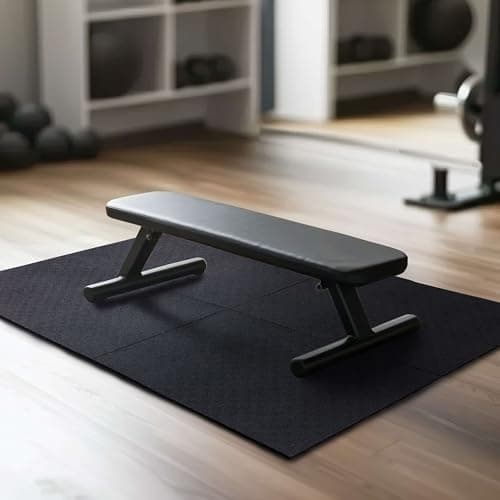
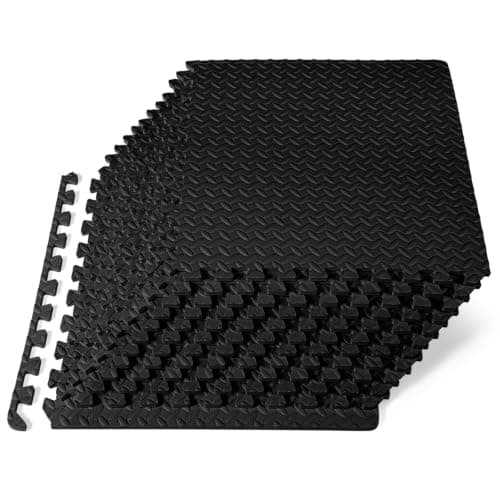
Flooring protects the room, not your training. The two flooring picks train nothing. They are here because a $30 rubber mat is what stops a $2,000 mistake on a hardwood floor or in a rented apartment, and because flooring is the most-read corner of this site — see the full Mohawk stall mat review and the wider flooring ranking if the floor is your worry.
Building up from here, in order
The sensible sequence out of this budget is one kettlebell and bands (about $55), then a bench (about $80), then adjustable dumbbells, then a squat stand, barbell and plates. That is the same ladder costed to the dollar in the $500 home gym and the $1,000 build. For the one-page version of what to buy and when, read what to buy first.
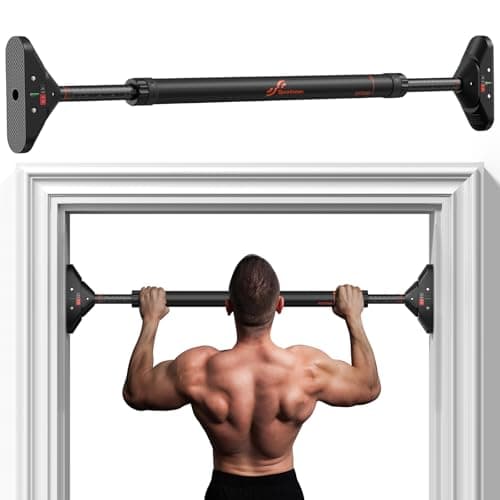
Two rules we would not bend at any budget. Never buy an uncertified bench to save fifteen dollars — the YOLEO is on this page precisely because it keeps its ASTM rating at the bottom of the market. And never buy a doorway pull-up bar without measuring your frame and checking the trim first; a 440 lb capacity means nothing if the bar has nothing square to press against. Both checks take two minutes, and we walk through them in how to choose a pull-up bar and how to choose a weight bench.