01
The $2,000 Home Gym Build
Twice the budget does not mean twice the gear - it means buying the version of each piece you will not replace. Ten items, itemized, with a running live-price total.
At $2,000 the right move is not more equipment - it is the better version of the same ten things. That is the whole difference between this page and our $1,000 Build. The cheaper build is correct, it trains everything, and most people should start there. This one spends the extra thousand dollars on four specific upgrades: a four-post power rack instead of a two-post stand, 5–80 lb adjustable dumbbells instead of a 52.5 lb pair you will outgrow, the heaviest-rated bench in our registry instead of an entry-level one, and a real drop zone under the bar.
Who it is for: someone who already knows they will keep training - usually because they have done a year somewhere else - and would rather buy once than buy twice. If you have never trained with weights at all, we would genuinely rather you spent $500 first and found out. The gear below is better, but better gear has never been the thing that makes someone show up.
The tally runs live. Prices come from our price layer, the total updates by itself, and the budget-remaining line is the number to watch - at current prices this build lands comfortably under $2,000 with a few hundred dollars spare, which is deliberate. The remainder is for the things nobody budgets for: plates you will want in smaller jumps, a second mat, a fan in the garage.
The build, costed to the dollar
Every piece in buy-first order, with a running total and the budget left after each. Prices are live from Amazon and update automatically.

A four-post cage with J-hooks and safeties — the version you do not replace.
$389.99 21% off
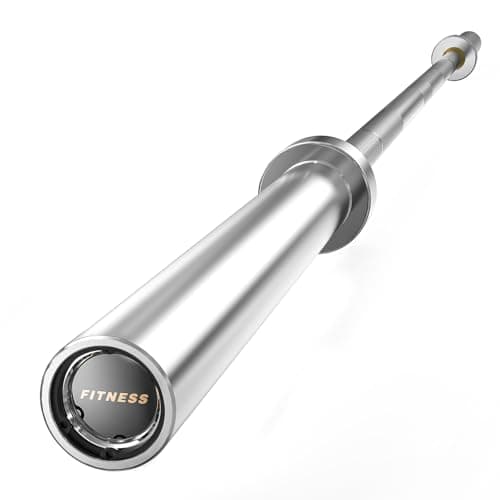
A standard 7 ft, 45 lb bar for squats, presses and pulls.
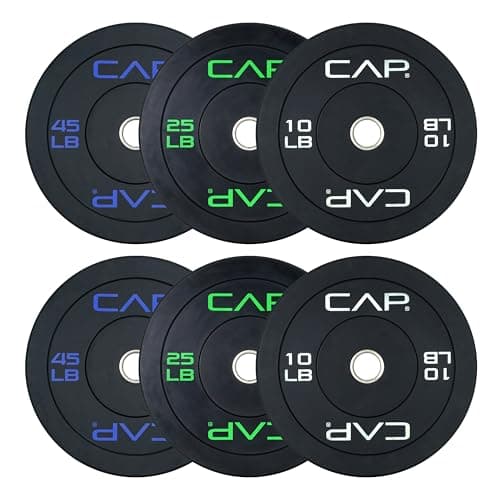
160 lb of droppable bumpers — enough for a beginner's first two years of squats.
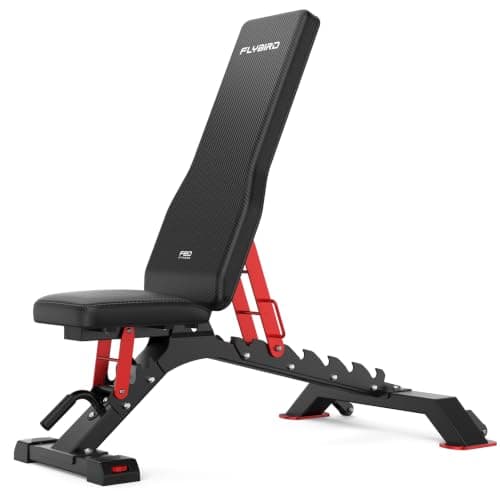
The heaviest-rated bench in our registry, for pressing inside the cage.
$269.99 26% off
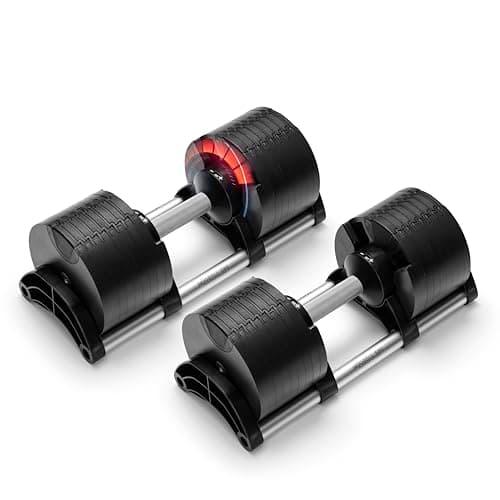
5–80 lb a side means you never buy a second pair.
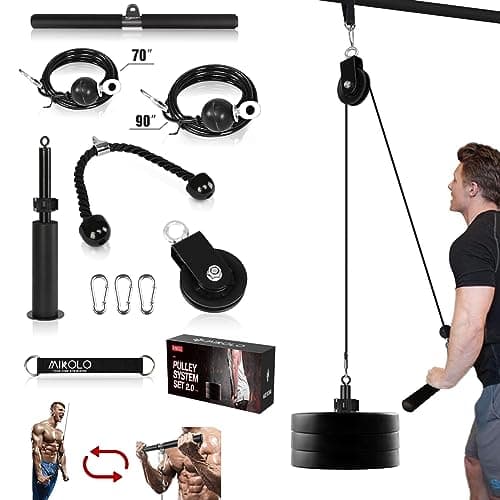
Hangs off the cage and adds the one pattern a rack cannot do.
$45.99 17% off
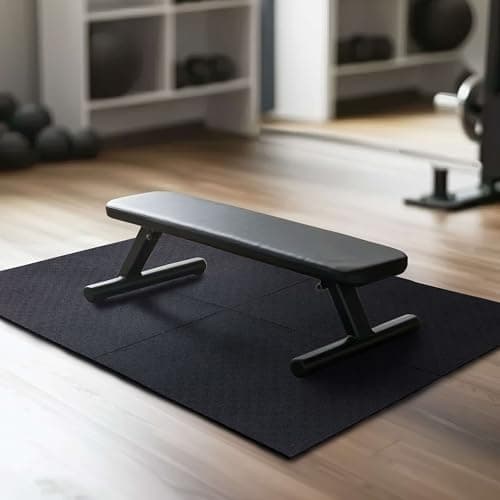
Under the rack: protects the slab, steadies the frame, kills the drumming.
$34.99 14% off
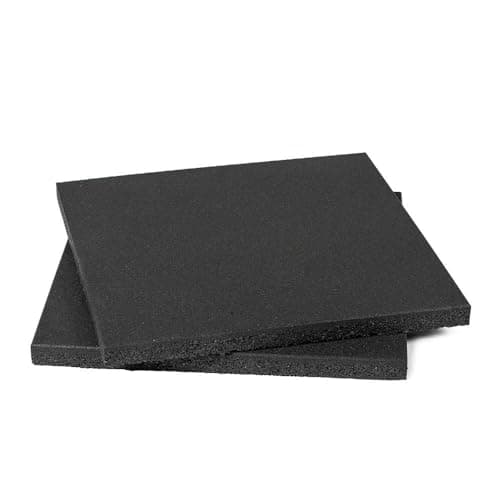
1.6 in rubber under the ends of the bar, so deadlifts can be set down hard.
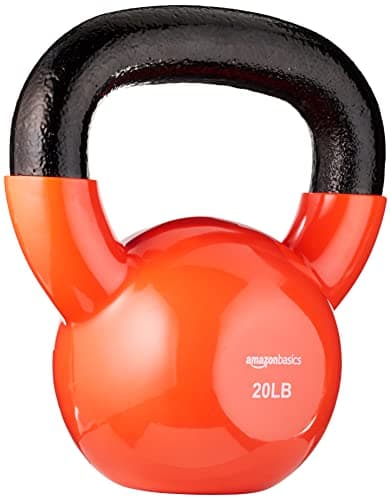
Swings, goblet squats and carries on the days you do not want the bar.
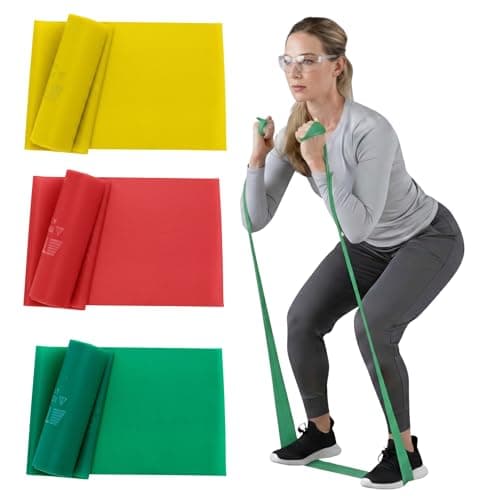
Shoulder prep before every press, for the price of a coffee.
$12.92 7% off
1 itemwithout a live price today — shown as “Check price” and not counted above.
Room left for extras — plates, a second kettlebell, or a mat.
Notes, swaps, and where to save
Where the extra $1,000 actually goes
Four upgrades, in the order they matter. Everything else in this build is the same item we recommend to someone spending half as much, because those picks were not compromises - they were right.
- Stand to cage (the biggest single change). A two-post squat stand with safety arms is safe and we stand behind it. A four-post cage is what you get when the budget allows: the bar is caught inside the frame on every rep, the uprights do not care which direction you fail in, and there is somewhere to hang a pulley, a dip attachment and a pull-up bar later. Read squat stand vs. power rack for the full comparison, and how to anchor a power rack before you load it.
- 52.5 lb to 80 lb dumbbells. The single most common regret we see in this category is a 50-ish-pound ceiling. One-arm rows, heavy incline presses and split squats run into it within a year, and the fix costs more than the upgrade did because you are buying a second pair. An 80 lb per-hand ceiling is where most home lifters never top out. The trade-off is real and we are not hiding it - see Bowflex vs. NUOBELL and are adjustable dumbbells worth it?
- Entry bench to heavy-rated bench. Benches are where people quietly overreach a load rating. If you intend to press real weight, buy the bench whose published rating has room above your bodyweight plus the bar - the whole logic is laid out in how much weight can a weight bench hold?
- One mat to a mat plus a drop zone. A stall mat under the rack protects the slab and quiets the room. It is not a drop pad. Two 1.6 inch rubber tiles under the ends of the bar are, and at this budget there is no reason to leave deadlifts un-floored - flooring for deadlifting covers platform sizing.
What this build deliberately does not include
A Smith machine, a weight-stack machine and a full cable crossover are all affordable inside $2,000 if you drop the barbell setup - and that is the trade people do not see coming. A single machine can eat half this budget and still leaves you without a squat, a press or a deadlift. Our view is that a cage, a bar and plates buy more training for the money than any machine at this price, and the cheap rack pulley in the tally above covers the one pattern a cage cannot do.
If you would rather go the machine route - a bad back, a ceiling that will not take an overhead press, nobody in the house to help - then say so and buy honestly: our home gym machines roundup ranks all-in-one stacks from 122.5 lb to 200 lb, and the Smith machine picks cover guided-bar options. Just do not try to do both inside this budget. Free weights vs. machines is the decision page.
Swaps worth making
- Short on ceiling height? Swap the cage for a folding wall-mounted rack and keep everything else. Check your height first with minimum ceiling height for a home gym, and see wall-mounted vs. freestanding.
- Apartment or upper floor? This is not your build - bumper plates and a cage in a third-floor flat is a bad evening for everyone. Go to the apartment build instead, which solves the same training problem quietly.
- Want the dumbbell money back? Drop to a 52.5 lb pair and put the difference into more plates. If your main lifts are barbell lifts, extra iron on the bar does more for you than the top 25 lb of a dumbbell ever will - how much weight do I need?
- Garage build? Add a drop pad before you add anything else, and read the garage gym picks for the rust, cold and concrete problems this list does not solve on its own.
The running cost nobody itemizes
A $2,000 gym is a one-time spend with a near-zero running cost, and that is the actual argument for it. There is no monthly fee, no drive, no waiting for a rack. The honest comparison against a membership - including the stuff that is genuinely better at a commercial gym - is in home gym vs. gym membership, and how much does a home gym cost? breaks the tiers down from $300 upward.
Budget a little for maintenance rather than nothing: bar oil and a brush, the odd bolt re-torque, and a dry cover if the room is cold or damp. Maintenance and rust prevention are twenty dollars a year of attention that decides whether this build still looks like this in five years.
Common questions
Can you build a good home gym for $2,000?
Yes - $2,000 buys a complete barbell gym with no obvious gaps: a four-post power rack, a 45 lb Olympic bar, 160 lb of bumper plates, a heavy-rated adjustable bench, 5-80 lb adjustable dumbbells, a lat pulldown pulley, flooring and a drop zone. At current prices that list totals well under the budget, which is why we show a running remainder rather than claiming the whole $2,000 is spent.
Is a $2,000 home gym worth it over a $1,000 one?
Only if you already know you will keep training. The extra money does not add exercises - it buys the version of each piece you will not replace: a cage instead of a stand, an 80 lb dumbbell ceiling instead of 52.5 lb, a bench with a higher published load rating, and a real drop pad. If you have never trained with weights, start at $500 or $1,000 and upgrade later with no money wasted.
What should I buy first in a $2,000 home gym?
The rack, bar and plates, in that order, because they are the pieces that set the room out and the hardest to add later. The bench comes next because you cannot press without it. Dumbbells, the pulley, flooring and conditioning gear can all be added in any order over following weeks - and if cash flow matters, the build still trains you fully once the first four items are in.
Do I need a power rack or a squat stand at this budget?
At $2,000, a four-post rack. A stand with safety arms is genuinely safe and it is what our $1,000 build uses, but the cage catches the bar inside the frame regardless of which way a rep fails, and it gives you mounting points for a pulley, dip bars and a pull-up bar as the gym grows. The one reason to stay with a stand or go wall-mounted is ceiling height or floor space.
How much space does this build need?
A footprint of roughly 8 by 8 feet for the rack, bench and your own working area, plus ceiling clearance for an overhead press inside the cage - most people need around 8 feet of ceiling to press comfortably. The dumbbells, mats and conditioning gear tuck around the edges. Measure the ceiling before you order a cage; it is the one dimension that cannot be worked around.
Should I buy a machine instead of a barbell setup for $2,000?
Only if a barbell is genuinely off the table for you - an injury, a ceiling that is too low, or no appetite for learning the lifts. A single all-in-one stack machine can consume half this budget and still leave you without a squat, a press or a deadlift. If you do go that route, buy it deliberately from our machines roundup rather than ending up with a machine and half a barbell gym.
What about used equipment at this budget?
Used is where $2,000 stretches furthest, especially for plates and racks, which are nearly indestructible and expensive to ship new. The things we would not buy used are anything with a bearing, a pulley cable or a load-bearing weld you cannot inspect. Our guide to buying used home gym equipment covers what to check and what to walk away from.
Read next
Not sure you need the $2,000 version?
The $1,000 Build trains everything this one does. Start there, and upgrade the rack and the dumbbells later with nothing wasted.