Skip to content

01

Best Home Gym Equipment for Legs

You cannot fit a leg press in a spare room, and you do not need one. Four picks that load squats, hinges, lunges and hip thrusts at home.

By Stephen V., Home-gym enthusiastLast updated October 6, 2026How we pick
Affiliate disclosure: Barbell & Bench earns a commission when you buy through our links, at no extra cost to you. We only make money if you buy — never for recommending. How this works.

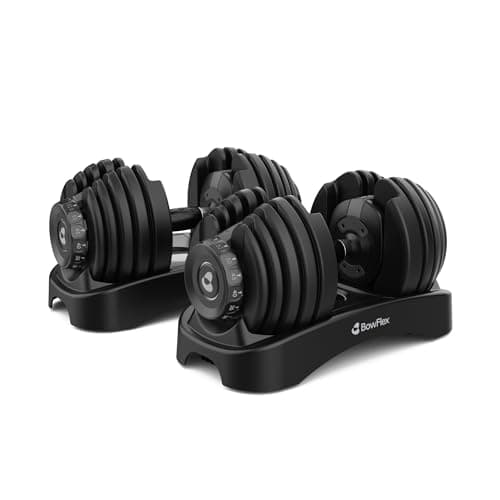
For most people training legs at home, the best single purchase is a pair of adjustable dumbbells — and the Bowflex SelectTech 552 is the one we would buy, because it runs 5 to 52.5 lb per hand and changes weight with a dial. Two dumbbells load goblet squats, Romanian deadlifts, lunges, split squats, step-ups and calf raises, in the space of a shoebox, with no rack and no spotter. That is the whole leg day for a beginner, and it is why dumbbells beat every machine at this budget.

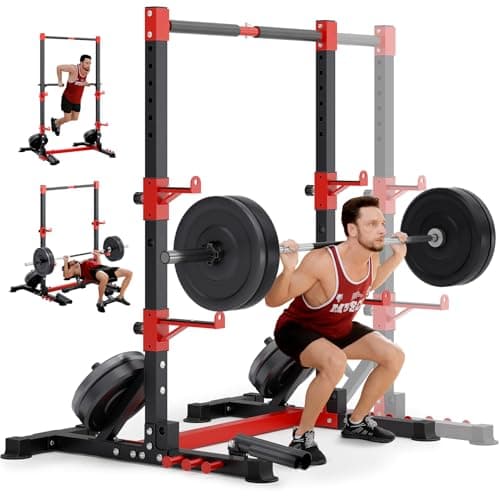
If you already squat with a bar, or you know you will outgrow 52.5 lb per hand quickly — and legs do outgrow it quickly — the pick is the YOLEO squat rack: an adjustable stand with extended safety arms and a pull-up bar, which is the cheapest setup that lets a solo lifter bail out of a failed squat. Nothing else on this page raises your weight ceiling the way a barbell does.

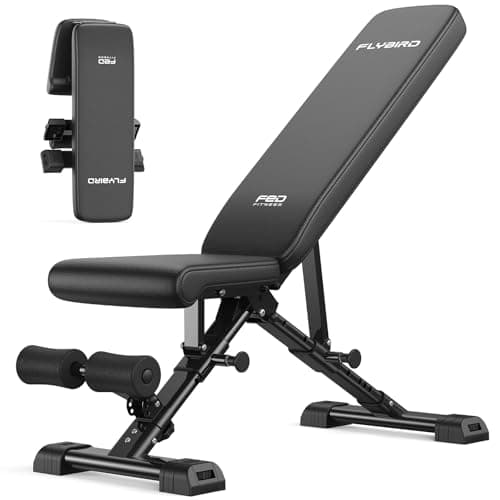
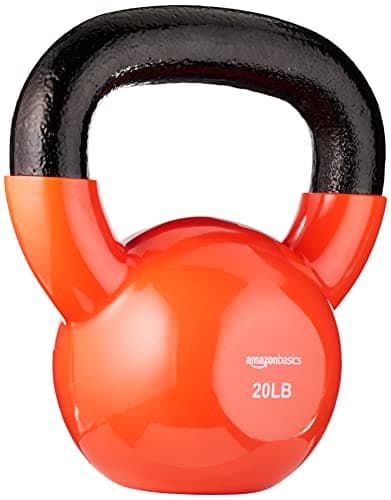
The cheap answer is one 20 lb kettlebell, which loads swings, goblet squats and carries for about the price of two coffees a week for a month. And the underrated answer is a bench: the FLYBIRD WB5 turns dumbbells you already own into hip thrusts, step-ups and single-leg work, which is where most home glute training actually happens.

What is not on this page: a leg press, a hack squat or a leg extension machine. They do not fit a spare room, they cost more than this site’s entire signature build, and they each train one pattern. Four picks below, with the exercises each unlocks and the point at which it runs out. Specs come from the manufacturers’ listings; prices are live and were last verified October 5, 2026.

02

The picks, ranked

Four picks for leg day — ranked

#ProductBest forScorePrice
1
Bowflex SelectTech 552

The dial-adjust benchmark: one dumbbell replaces 15, from 5 to 52.5 lb, in a footprint the size of a shoebox.

Best overall for legs9.2
$399.00 · View on Amazon

#ad · Price as of October 5, 2026 · Affiliate disclosure

2
YOLEO Squat Rack
YOLEO Squat Rack

An adjustable squat stand with a pull-up bar and extended safety arms — the safest way for a solo lifter to start barbell training on a budget.

Best for heavy squats8.6
$169.99 · View on Amazon

#ad · Price as of October 5, 2026 · Affiliate disclosure

3
Amazon Basics 20 lb Kettlebell

A vinyl-coated 20 lb cast-iron kettlebell — one bell adds swings and carries for conditioning on a budget.

Best cheap option7.9
$32.88 · View on Amazon

#ad · Price as of October 5, 2026 · Affiliate disclosure

4
FLYBIRD WB5 Weight Bench

The default budget flat-incline-decline bench: ASTM-certified to 800 lb, folds flat, and pays for itself against a few months of gym membership.

Best for glutes9.0
$149.98 · View on Amazon

#ad · Price as of October 5, 2026 · Affiliate disclosure

03

Every pick, reviewed

Bowflex SelectTech 552
01
Best overall for legs

Bowflex SelectTech 552

Bowflex

9.2

The dial-adjust benchmark: one dumbbell replaces 15, from 5 to 52.5 lb, in a footprint the size of a shoebox.

Weight range
5–52.5 lb each
Adjustment
Dial, 2.5 lb steps to 25 lb
Replaces
15 sets of dumbbells

What we like

  • Fastest weight changes of any style — just twist the dial
  • 5 lb starting weight suits a true beginner
  • Compact enough for an apartment or spare room

Trade-offs

  • Bulkier per-dumbbell than a fixed pair at the same weight
  • Plastic dial housing needs to be treated with some care
Value
8
Beginner-friendly
10
Build quality
9
Space fit
9
$399.00 · View on Amazon

#ad · Price as of October 5, 2026 · Affiliate disclosure

YOLEO Squat Rack
02
Best for heavy squats

YOLEO Squat Rack

YOLEO

8.6

An adjustable squat stand with a pull-up bar and extended safety arms — the safest way for a solo lifter to start barbell training on a budget.

Type
Adjustable squat stand
Safety
Extended safety arms
Extras
Pull-up bar

What we like

  • Safety arms let you bail a failed squat or bench solo
  • Pull-up bar adds back and grip work for no extra footprint
  • Height-adjustable to fit different lifts

Trade-offs

  • Two-post stand isn't as rigid as a full cage
  • Needs bolting or loading down for very heavy sets
Value
9
Beginner-friendly
9
Safety
8
Space fit
9
$169.99 · View on Amazon

#ad · Price as of October 5, 2026 · Affiliate disclosure

Amazon Basics 20 lb Kettlebell
03
Best cheap option

Amazon Basics 20 lb Kettlebell

Amazon Basics

7.9

A vinyl-coated 20 lb cast-iron kettlebell — one bell adds swings and carries for conditioning on a budget.

Weight
20 lb
Material
Vinyl-coated cast iron
Use
Swings, goblet squats, carries

What we like

  • One bell covers swings, squats, and carries
  • Vinyl coat protects the floor
  • Inexpensive

Trade-offs

  • Fixed weight — you'll want a second later
  • 20 lb is light for heavy swings
$32.88 · View on Amazon

#ad · Price as of October 5, 2026 · Affiliate disclosure

FLYBIRD WB5 Weight Bench
04
Best for glutes

FLYBIRD WB5 Weight Bench

FLYBIRD

9.0

The default budget flat-incline-decline bench: ASTM-certified to 800 lb, folds flat, and pays for itself against a few months of gym membership.

Capacity
ASTM-certified 800 lb
Positions
Multiple back + seat angles
Storage
Folds flat

What we like

  • ASTM certification is rare at this price
  • Folds flat to lean in a closet or against a wall
  • Adjusts flat to upright for pressing and rows

Trade-offs

  • Pad is firm — fine, but not a plush commercial pad
  • No leg-developer or extras
Value
10
Beginner-friendly
9
Build quality
8
Space fit
9
$149.98 · View on Amazon

#ad · Price as of October 5, 2026 · Affiliate disclosure

04

How to choose

Three patterns, and what loads them

Leg training is simpler than equipment marketing suggests. Cover a squat (knee-dominant), a hinge (hip-dominant) and a single-leg movement, add weight over time, and your legs will grow. What you are buying is load and the ability to add to it.

What each pick loads — specs from the manufacturer listings

PickPublished specLeg exercises it unlocksWhere it runs out
Bowflex SelectTech 5525–52.5 lb each, dial, 2.5 lb steps to 25 lbGoblet squat, RDL, lunge, split squat, step-up, calf raiseSquats get limited by grip and loading, not by your legs
YOLEO squat rackAdjustable stand, extended safety arms, pull-up barBack squat, front squat, barbell RDL, good morningNeeds a barbell, plates and floor space
Amazon Basics 20 lb kettlebell20 lb vinyl-coated cast ironSwing, goblet squat, carry, single-leg RDL20 lb is light within a few months
FLYBIRD WB5 benchASTM-certified 800 lb, folds flatHip thrust, step-up, single-leg work, Bulgarian split squatTrains nothing without weights

Read the right-hand column and the buying order falls out of it. Dumbbells first because they cover all three patterns on day one. A bench next, because it is cheap and adds the glute work dumbbells alone cannot reach. The rack when your squat outgrows what you can hold in your hands — which, for legs, happens sooner than it does anywhere else in the body.

The weight ceiling problem is a leg problem

Your legs are stronger than your arms and they get strong faster. A beginner who can press 30 lb dumbbells overhead may be squatting bodyweight within a few months, and at that point two 52.5 lb dumbbells are 105 lb total — below what the legs can handle even though it is at the top of the dumbbell’s range.

There are three honest ways out, and only one of them is buying a rack. You can slow the tempo and add reps, which keeps dumbbells useful far longer than people expect. You can go single-leg, where one dumbbell loads one leg and the effective load doubles — Bulgarian split squats with 40 lb are hard for almost anybody. Or you can add a barbell, which is the only route that scales indefinitely. We lay out that ladder in progressing from dumbbells to a barbell and progressive overload at home.

If you are buying the barbell route

A squat is the one home lift where failure has consequences, so the rack matters more than the bar. Two rules we do not bend: it must have safety arms that can be set below your bottom position, and you must set them every session, not just on the heavy ones. That is the whole point of the pick we rank first in best power racks and squat stands, and the argument in squat stand vs. power rack.

Ceiling height is the other constraint people hit. You need clearance to stand up with a bar on your back plus a few inches, and more if you press overhead in the same spot — minimum ceiling height for a home gym has the numbers. On the floor side, a loaded bar and a rack want dense rubber rather than foam, which is covered in best home gym flooring, and if you plan to deadlift and drop, flooring for deadlifts.

What about machines, bands and bodyweight?

Machines: a leg press or hack squat is a genuinely good training tool and a genuinely bad home purchase — hundreds of pounds of steel, a large permanent footprint, and one exercise each. A cable station is the one machine category we do rank, and it is a second-phase purchase for upper-body pulling more than for legs; see best home gym cable machines and free weights vs. machines.

Bands: useful for warm-ups, glute work and adding resistance to a bodyweight squat, and they will not load a heavy hinge. Our take is in can you build muscle with resistance bands?

Bodyweight: better than nothing and genuinely effective for a while, especially single-leg. The limit is simple arithmetic — once bodyweight squats are easy for 20 reps, you need load, and that is what everything on this page is for. For a plan that uses what you have, start with the beginner home gym workout or the full-body dumbbell workout, and see how to squat at home for the movement itself.
05

Common questions

What is the best home gym equipment for legs?

A pair of adjustable dumbbells, for almost everybody. They load goblet squats, Romanian deadlifts, lunges, split squats and step-ups from day one, cost a fraction of any machine, and fit in a cupboard. Once your squat outgrows what you can hold in your hands, the upgrade is a squat stand with safety arms plus a barbell and plates.

Can you train legs properly without a squat rack?

Yes, for a long time. Goblet squats, Bulgarian split squats, Romanian deadlifts, step-ups and hip thrusts are all legitimate leg training and none needs a rack. What you cannot do without one is squat heavy with a bar on your back safely and alone, which is why the rack becomes the right purchase when your legs outgrow dumbbells.

Do I need a leg press machine at home?

No. A leg press trains one pattern, takes a permanent footprint larger than most spare rooms allow, and costs more than a complete beginner gym. Squats, split squats and hinges with free weights cover the same muscles with more carryover and a fraction of the space.

Is one kettlebell enough for legs?

It is enough to start and it is remarkably good value. A 20 lb bell loads swings, goblet squats, carries and single-leg deadlifts, and those four cover both leg patterns. The limit is the fixed weight: legs get strong quickly, so expect to want more load within a few months.

What equipment is best for glutes at home?

A bench plus weight. Hip thrusts off a bench, Bulgarian split squats with the rear foot elevated, step-ups and Romanian deadlifts are the four most useful glute exercises at home, and all of them need a bench and either dumbbells or a loaded bar. A bench is the cheapest piece of equipment that unlocks them.

How much weight do I need for leg training?

More than you need for upper-body training, which is the practical issue. Two 52.5 lb dumbbells is 105 lb total and is plenty for the first several months, especially on single-leg work where one dumbbell loads one leg. For bilateral squats and hinges beyond that, a barbell plus plates is the only setup that keeps scaling.

Can I squat heavy in an apartment?

You can squat, with caveats. Keep the bar racked in a stand with safety arms, lower everything under control, use dense rubber flooring, and avoid dropping anything. Beyond a certain load the noise and floor loading stop being neighbourly, which is where single-leg work and dumbbells earn their place in an apartment build.

Read next

→

See the squat setup costed inside a full gym.

The $1,000 build prices the stand, bar, plates, bench and dumbbells together, in the order we would buy them.