The three specs that actually matter after 60
Equipment marketing is built around maximum load. For an older beginner, maximum load is close to irrelevant and three other numbers decide whether a purchase gets used.
- The starting weight. Not the top weight - the bottom one. A set that starts at 10 lb per hand is unusable for a first shoulder press for a lot of people, and a set that starts at 5 lb is immediately useful. Everything on this page either starts at 5 lb or is adjustable below it.
- The size of the step. Strength goes up in small increments and stalls on big ones. A 2.5 or 5 lb step means you can add weight every couple of weeks; a 10 lb step means you repeat the same session for two months. This is the single most underrated spec in the whole category.
- How the weight is set. A dial or a pin takes seconds and no bending. A plate-loaded dumbbell or barbell means repeated trips to the floor, collars, and lifting plates that can be heavier than the working set.
Why there is no barbell on this page
Not because older lifters cannot squat or press a bar - plenty do, and do it well. It is left off because a barbell is the one piece of home gym equipment that must be caught when a rep fails, and catching it requires a rack with safety arms, correct arm height on every session, and the confidence to bail. That is a reasonable thing to build towards with coaching. It is a bad first purchase for someone training alone in a spare room.
Dumbbells have no such failure mode: a rep that will not finish gets put down. A pin-select machine has none either - the stack simply stops. That is the real safety argument for this list, and it is the same logic as do I need a power rack? read from the other end. When a barbell does become the goal, progressing from dumbbells to a barbell is the route, and training without a spotter is the page to read before the first loaded set.
Free weights or a machine?
This is the one genuine fork in the road, and the honest answer is that it depends on joints and confidence rather than on which is “better”.
Our default is dumbbells plus a bench, because it is cheaper, smaller, and keeps a bit of balance work in the program - which is worth having as you age. Go to the machine if free weights feel unsafe, if a shoulder or knee has a history, or if the thing stopping you training is not strength but worry. A machine that gets used beats dumbbells that sit in a cupboard. Free weights vs. machines covers the trade-off in full, and our machines roundup ranks the stacks.
What to train, and how often
The research consensus on strength training later in life is unusually clear: twice a week, full body, with progressive load is the pattern that maintains muscle, bone and the ability to get off a chair. You do not need six days, split routines or specialised equipment - you need a handful of movements you can add weight to over months.
- Sit to stand - a bodyweight squat to the bench, then holding a dumbbell. The single most functional thing on the list.
- A press- dumbbell bench press, or the machine’s press arms.
- A row - one-arm dumbbell row with a hand on the bench, or band rows on the door anchor. This is the one most home setups miss.
- A carry - walk the length of a room holding a dumbbell in each hand. Grip, core and balance in one exercise, and it needs nothing new.
- A hinge - light Romanian deadlift to mid-shin, kept well inside your comfortable range.
Our beginner home gym workout and full-body dumbbell workout both run on exactly this equipment, and reps and sets for beginners covers how to add weight without turning every session into a test.
Set the room up so nothing is on the floor
The most common reason a home gym stops getting used has nothing to do with the equipment - it is that using it became a chore. Three cheap decisions prevent that, and they matter more at 70 than at 30:
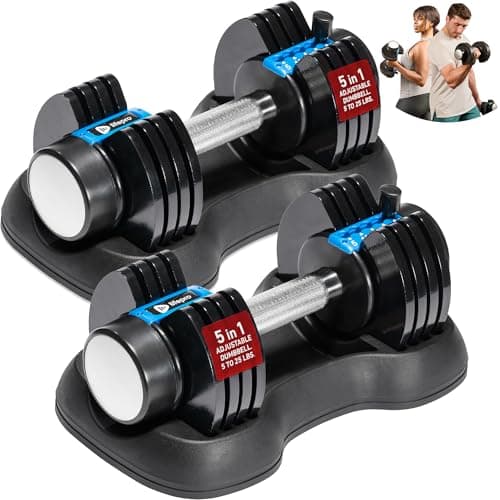
- Everything at waist height. The dumbbell stand is the reason we picked that pair. Nothing you train with should live on the floor.
- A clear walking line. No cables, no mat edges to catch a toe. If you use a mat, use one wide piece rather than tiles that can separate - see our mats picks.
- Light and something to hold. Good lighting and a stable chair or wall within reach for anything done standing on one leg. Home gym lighting and home gym safety cover the rest.
Who each pick is for
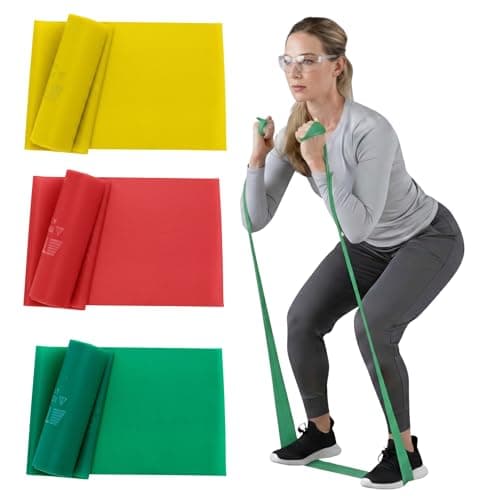
- THERABAND kit - week one, any starting point, and permanently useful as a warm-up afterwards.
- LifePro Powerflow Plus 5–25 lb - the main purchase: light start, small steps, a stand so nothing is on the floor.
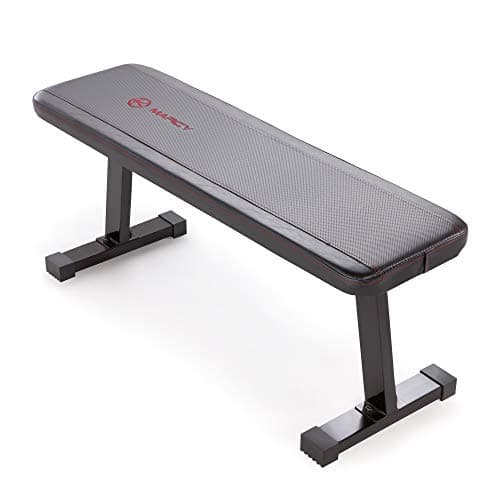
- Marcy Flat Utility Bench - a bench with no mechanism to trust, at a height you can get off.
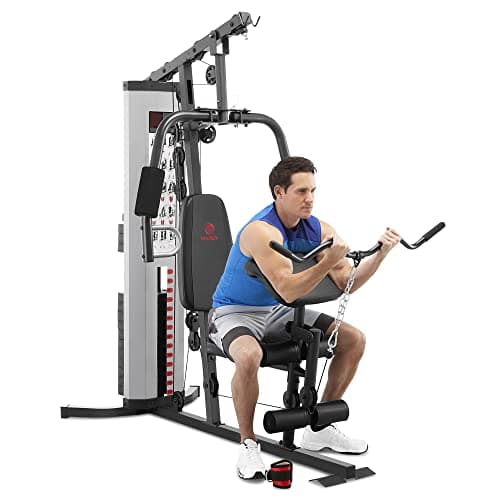
- Marcy MWM-988 - joints, balance or nerves make free weights a poor fit, and there is permanent floor space for a machine.
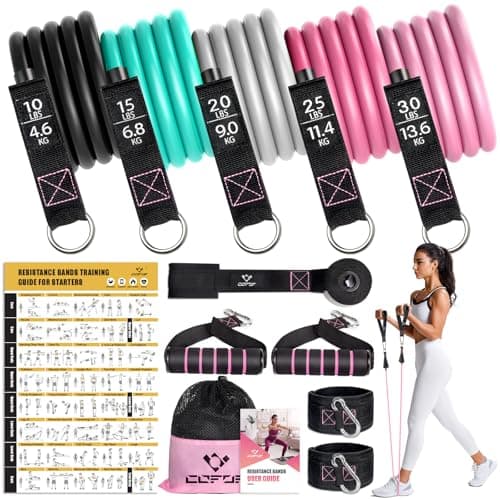
- 5-level bands with handles - rows and presses from a door anchor, at chest height, with nothing to put down.
A 25 lb dumbbell ceiling is a real limit and we will say so plainly: if you train consistently for a year, rows and presses will outgrow it. That is a good problem, and the answer then is a 52.5 lb pair from the dumbbell roundup - not a bigger first purchase.