The one thing nobody tells you: every weight capacity rating on home gym equipment is you plus the weight, not the weight alone. A 300 lb person pressing 135 lb is loading the bench with 435 lb - more than a 180 lb person pressing 225 lb. Which means a heavier beginner needs a higher-rated bench than a stronger lifter does, and almost no buying guide says so.
So the first spec to shop on is capacity, and the second is certification. In our registry the published bench ratings run from 600 lb to 1,300 lb, and two of them are independently ASTM-certified rather than a seller’s claim. Those are the numbers this page is built around - every figure here is read off the manufacturers’ own listings, and prices come from our live price layer, last verified October 20, 2026.
Two things we are not going to do. We are not going to talk about weight loss- this is a gear page, you are here to buy equipment, and strength training is worth doing regardless of what the scale does. And we are not going to pretend to be clinicians: we have no medical training, we have not tested any of this equipment, and if you have a knee, hip, back, heart or breathing condition, a conversation with your own doctor or a physiotherapist is worth more than anything on this site.
Work out your number first
Three steps, done in your head, before you look at a single product page.
- Bodyweight plus target load.Use the weight you want to be pressing in a year, not today’s.
- Double it. That is the published rating to look for. The doubling is our margin, not a standard - real sets load a frame unevenly as you unrack, drive with your feet and tip the bar a few degrees.
- Prefer certified. A certified 827 lb rating is worth more than an uncertified 1,000 lb one, because one of those numbers has been verified by somebody with nothing to sell.
Look at the last row. Even sitting on a bench with no weight at all, a frame is carrying real load - which is why “I am not lifting much” is not a reason to buy a 600 lb bench. The full table of every published rating in our registry, certified or claimed, is in how much weight can a weight bench hold?
The four specs that matter more than features
Features sell equipment. These four decide whether it gets used.
- Published capacity, and whether it is certified. Covered above. There is no rule stopping a seller printing a number it has never had verified, so prefer the brands that publish a standard or a test method.
- Pad width and seat height. A narrow pad under broad shoulders is uncomfortable and feels unstable; a bench you can sit onto at roughly chair height is far easier to use than one you have to lower yourself into. Wider, taller and firmer wins here.
- Base footprint. Wide, flat feet on a stable frame. A narrow folding base saves space and costs you confidence - and confidence is the thing that decides whether you do the set.
- Does it need you on the floor? Getting down and back up is an exercise in itself. Equipment that works seated or standing removes a barrier that has nothing to do with strength.
Capacity-first picks - live prices, last verified October 20, 2026
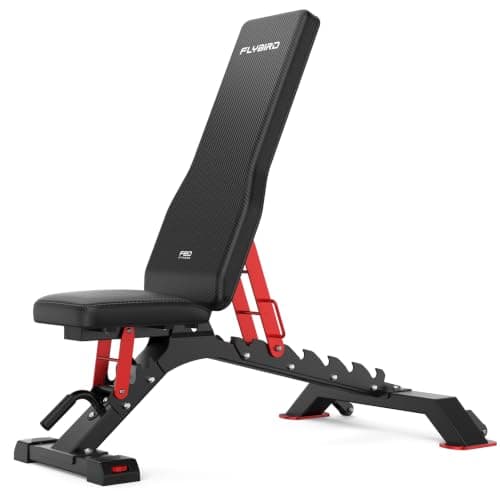
FLYBIRD WB7 Commercial Bench
FLYBIRD's heavy-duty model — a 1,300 lb rating and wider frame for anyone planning to load a barbell hard.
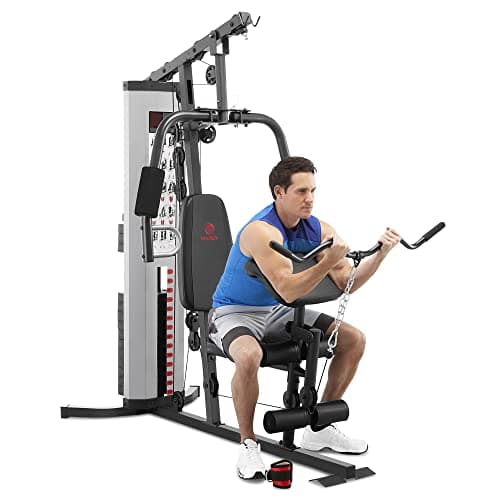
Marcy MWM-988 Home Gym System
The long-running budget multi-gym: a 150 lb selectorized stack, dual-action press arms and a leg developer in one frame, at the lowest price a known brand charges for a weight stack.
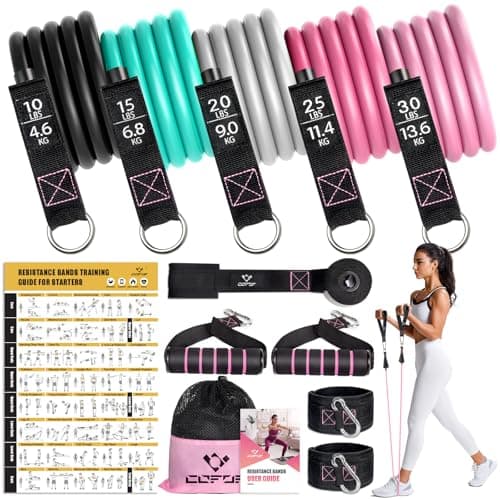
Resistance Bands with Handles (5-level)
A stackable 5-tube band set with handles and a door anchor — a real strength option when weights won't fit.
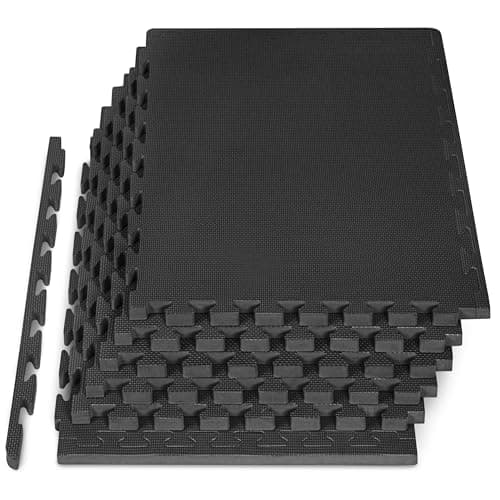
ProsourceFit Extra Thick 1" Puzzle Mat (24 sq ft)
The thickest foam here at a full inch — the most cushion you can get under bodyweight work, and the layer that saves a carpeted room.
#ad · Price as of October 20, 2026 · Affiliate disclosure
Why the bench is the first purchase here
On most of this site we tell beginners to buy dumbbells first. For a heavier beginner we would buy the bench first, and the reason is that it is the piece whose rating is hardest to work around. A dumbbell does not have a capacity; a band does not care; a bench frame does, and it is also the thing you sit, lie and press on for every upper-body exercise in the program.
Buy a bench with real headroom and you stop thinking about it, which is the point. The 1,300 lb pick in our registry is a wider commercial-style frame that still folds, and it is the one we would choose; if you want the certified-number route instead, the 827 lb ASTM-certified bench is cheaper and is still enough for a lot of people once you run the sum above. Both are in the bench roundup, ranked by rating in best heavy-duty weight benches.
Free weights, or a machine with a seat?
This is the real fork, and weight is not what decides it - balance and joint comfort are.
Our honest read: if standing up out of a chair is comfortable and you feel steady on your feet, dumbbells and a bench are cheaper, smaller and better value, and they build balance as a side effect. If knees, hips or confidence are the obstacle, a seated machine with a guided path removes the two things that stop people training - the fear of being pinned and the fear of falling. Free weights vs. machines is the full argument, and our machines roundup ranks the stacks.
A workout that never touches the floor
You can train every movement pattern from a seat, a bench and a door anchor. Here is the template we would run, and none of it requires getting down on the ground:
- Sit-to-stand - stand up from the bench, sit back down under control. This is a squat, and it is the single most useful thing on the list. Add a dumbbell held at the chest when it gets easy.
- Dumbbell or machine press- flat or slightly inclined on the bench, or the machine’s press arms.
- Band row at chest height - door anchor, seated or standing. The pattern most home gyms miss, and the easiest one to do badly - pull to the ribs, not the chin.
- Standing hinge - a light Romanian deadlift to mid-shin, kept well inside a comfortable range. Technique in how to hip hinge.
- Carry - walk the room holding a weight in each hand. Grip, trunk and balance, no setup.
Two sessions a week, same five movements, add a little load when the last rep still feels controlled. That is it - the pattern is in the beginner home gym workout and the load progression in reps and sets for beginners. If you eventually want floor work, a one-inch mat is the difference between “uncomfortable” and “fine” - mats picks here.
What we would not buy
- Any bench with no published rating. If the listing will not tell you the capacity, we will not tell you it is good. This is the one hard rule on the page.
- A narrow folding bench as the only bench. It is the right product for a shared room and the wrong one if stability is what is holding you back.
- A barbell as a first purchase. Not a capacity issue - a sequencing one. A loaded bar must be caught when a rep fails, which means a rack, safety arms set correctly every session, and the confidence to bail. Build to it; do I need a power rack? explains why.
- Anything sold on a transformation photo. The equipment that works is the equipment with a published number on it and a seat you can get out of.
Costed starting points: the $500 Build is the dumbbell-and-bench route, and the under-$100 page covers the band-and-mat start if you want to begin this week for very little.