Back is the muscle group home gyms get wrong. A starter kit of dumbbells and a bench presses beautifully and pulls badly, because the one thing a cheap home gym has no way to do is pull a load down from above you. Commercial gyms solve it with a lat pulldown stack. At home you solve it with a bar you hang from, a pulley bolted to a rack, or a band anchored in a door - and which of those is right comes down to what you already own.
The short version: a pull-up bar plus dumbbells covers your back. One gives you the vertical pull, the other gives you the horizontal pull, and together they are cheaper than any machine and take almost no floor space. Everything else on this page is a variation on how to get those two patterns loaded in your particular room.
Your back works in two directions, so buy for both
Every useful back exercise is one of two patterns, and a home setup that only has one of them is half a back program.
- Vertical pull. Pulling down from overhead, or pulling yourself up to it: pull-ups, chin-ups, lat pulldowns. This is the lat-width pattern, and it is the one most home gyms are missing entirely.
- Horizontal pull. Pulling a load towards your torso: one-arm dumbbell rows, barbell rows, chest-supported rows, band rows, seated cable rows. This builds the thickness through your mid-back, and dumbbells already do it well.
Add a hinge - Romanian deadlifts or deadlifts - and the lower back and the whole posterior chain are covered too, which is why we treat the hinge as leg and back work at the same time. Our split-by-split take on that is in the upper/lower split and push, pull, legs at home.
What to look for before you buy anything
Four checks, in the order that actually decides the purchase:
1. Do you have an anchor? A pull-up bar needs a door frame or a rack. A pulley needs a rack, a pull-up bar or a beam. A band needs a door. If none of those exist in your room, dumbbells and a bench are your back program until something changes.
2. Can you do a pull-up today? If not, a bar alone is a goal rather than a workout. Pair it with a band to unload some of your bodyweight, or start with pulldowns and rows and build up - the progression is in how to do pull-ups at home.
3. Can you add load? Bodyweight pull-ups scale by adding reps and then adding weight; dumbbells and a plate-loaded pulley scale by adding iron; band tubes scale until you run out of tubes. The first two keep working for years.
4. Can you install it? This is the renter question. A no-drill doorway bar and a band anchor leave no holes. A rack-mounted pulley assumes you already accepted a rack in the room. We work through the wider version of that decision in pull-up bar vs. power rack.
Our picks for back training - live prices, last verified October 5, 2026
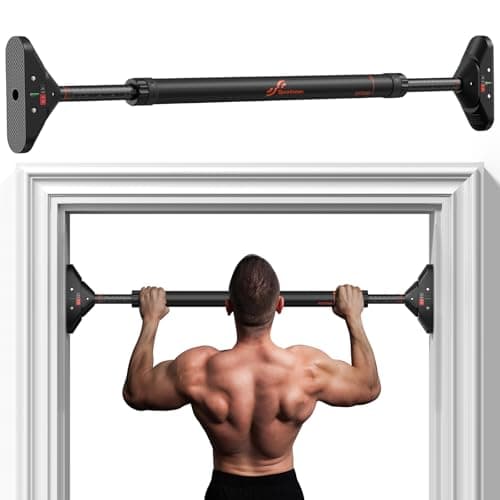
Sportneer No-Drill Doorway Pull-Up Bar
A no-drill doorway bar rated to 440 lb — adds the single best upper-back exercise without touching the wall.
#ad · Price as of October 5, 2026 · Affiliate disclosure
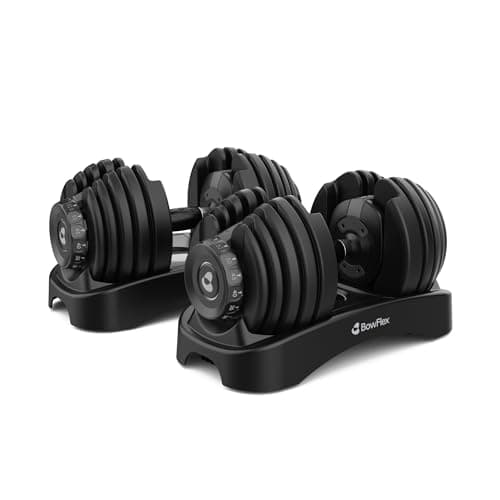
Bowflex SelectTech 552
The dial-adjust benchmark: one dumbbell replaces 15, from 5 to 52.5 lb, in a footprint the size of a shoebox.
#ad · Price as of October 5, 2026 · Affiliate disclosure
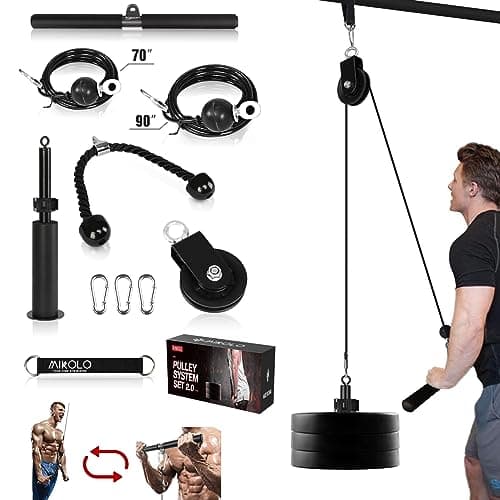
Mikolo LAT and Lift Pulley System
A loading pin, two cables and a pulley that hang off the rack you already own — the cheapest honest way to add cables to a home gym.
#ad · Price as of October 5, 2026 · Affiliate disclosure
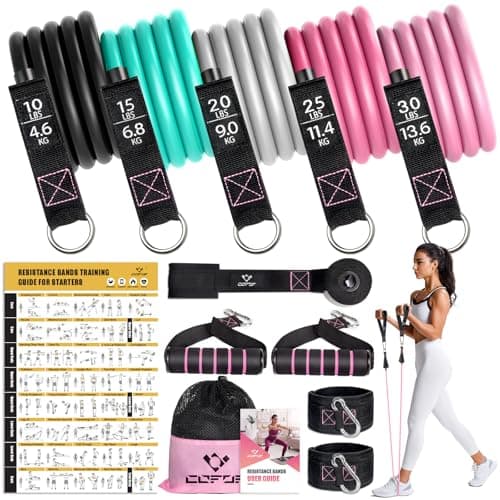
Resistance Bands with Handles (5-level)
A stackable 5-tube band set with handles and a door anchor — a real strength option when weights won't fit.
How the options compare
Two honest notes on that table. The pulley is extraordinary value and genuinely limited: no seat, no leg hold-down, so a heavy pulldown lifts you off the floor rather than your lats working against a fixed body - and one cable means no crossovers. And the bands load both patterns but at band resistance, where tension is lowest in the stretched position. Neither is a reason to skip them; both are reasons not to expect a commercial machine.
The buying order we would actually follow
If you own nothing, buy dumbbells and a bench first - they train the whole upper body, not just the back, and chest-supported rows off an incline bench are one of the best back exercises available at home. Then add a pull-up bar, because it is the cheapest way to cover the pattern the rest of your kit cannot.
If you already own a rack, skip straight to a pulley system: for the price of a cheap bench you get pulldowns and low rows off the rack that is already standing there. If you want the full fixed-station version instead, that is the whole of best home gym cable machines, where wall-mounted stations and lat towers are ranked properly.
And if you live somewhere you cannot drill and cannot hang - a dorm, a rental with steel frames, a room with no suitable door - the band set with a door anchor is a real answer rather than a consolation prize. It is the pulling half of the apartment home gym build, and the whole case for it is in can you build muscle with resistance bands?
The verdict
Buy for the two patterns, not for the muscle. A doorway pull-up bar plus adjustable dumbbells is the complete back setup for most home gyms, at a fraction of the price of any machine and in a footprint of roughly zero. Add a rack pulley if you already own a rack and want a true pulldown, or a band set with a door anchor if you cannot hang anything at all. The one thing we would not do is assume dumbbells alone have your back covered - they do the rows and nothing above your head, and that gap is the single most common hole in a home gym. Prices in the picks above are live and were last verified October 5, 2026; nothing here has been load-tested by us, and every capacity figure is the manufacturer’s own.