Three patterns, and why most home gyms only train one
“Back” is not one muscle and it is not one exercise. Load these three things and the whole thing is covered:
- The horizontal pull. Pulling something towards your stomach - barbell rows, dumbbell rows, cable rows. This builds the thickness through your mid-back.
- The vertical pull. Pulling something down from overhead, or pulling yourself up to it - pull-ups, chin-ups, lat pulldowns. This builds the width.
- The hinge. Bending at the hips with a loaded spine - deadlifts, Romanian deadlifts, good mornings. This trains the whole posterior chain and the muscles that hold your spine in position under load.
Here is the pattern most first gyms miss: a bench and a pair of dumbbells trains the horizontal pull well, trains the hinge badly and trains the vertical pull not at all. A dumbbell cannot be pulled down from above you. That is why a $40 doorway bar and a $30 band set do more for a back than another $200 of dumbbells would. Our home gym equipment for back guide walks through the exercises themselves; this page ranks the purchases.
What each purchase actually covers
Read the second column and the buying order writes itself. The barbell covers two patterns, so it goes first - but note the asterisk on it that the table cannot hold: a bar is useless without plates, and a 45 lb bar plus a starter plate set is a bigger cheque than the bar alone. Best weight plates and best bumper plates cover that half, and how much weight do I need sizes it. If you are not ready for that, the bar is not your first purchase - the doorway bar and the bands are, and they total less than a single plate.
The band-and-bar combination is the best value here
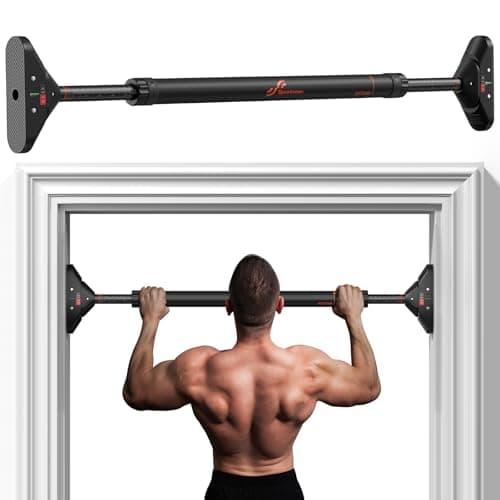
Worth its own section because it is the recommendation most people do not expect on a page about back training. A doorway pull-up bar plus a set of assistance bands costs less than almost anything else on this page combined, and between them they solve the one pattern a dumbbell gym cannot touch.
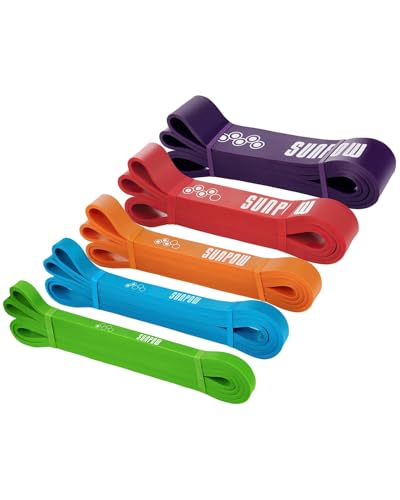
The mechanism is simple: loop a band over the bar, put a foot or a knee in it, and the band takes a portion of your bodyweight at the bottom of the rep where you are weakest - exactly where an unassisted pull-up fails. Work down through the band levels as you get stronger and eventually you take the band away. That is a complete progression from zero pull-ups to real pull-ups, for roughly the price of one bumper plate.
One honesty note on the bands themselves, and it applies to every band set on the market: band resistance ratings are nominal, not measured.A set advertised across a range of levels is giving you a manufacturer’s equivalence at an unstated stretch, not a comparable load. Use the levels as relative steps, not as pounds. Our best resistance bands page covers the whole band category, and how to do pull-ups at home covers the progression.
Straight bar or trap bar for the hinge?
Both deadlift. They put your spine in measurably different positions, and that is the whole reason the trap bar is on this page.
With a straight bar, the bar is in front of your shins, so your hips sit further back and your torso leans further forward. More hamstring and glute, more demand on the muscles holding your spine in position, and a technically harder lift to learn.
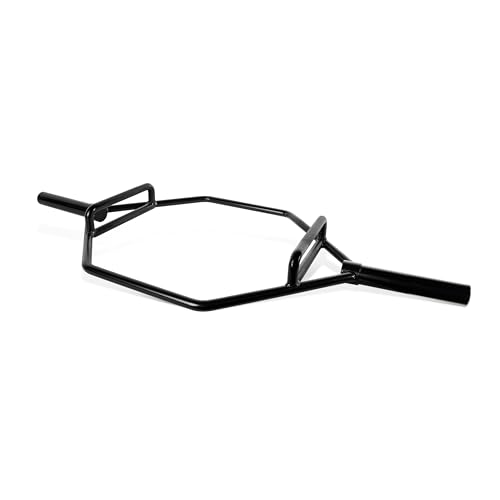
With a trap bar, you stand inside the frame and the load hangs at your sides, so you can keep a more upright torso. The high handles raise the start position further. It is easier to learn, easier to keep a neutral spine on, and more quad-dominant. Our trap bar vs. straight barbell guide does the full comparison, and how to deadlift at home covers the lift itself.
Our honest order: buy the straight bar first, because it also rows, also presses and also squats, and a trap bar does none of those. Add the trap bar second if the straight-bar position is one you do not get on with, or if you want a hinge you can load heavy without the technical cost. The full trap bar field is on best trap bars for a home gym.
Who each pick is for
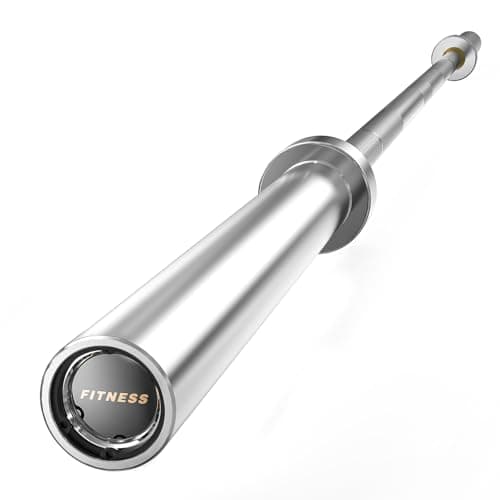
- papababe 7 ft Olympic barbell - everyone who is ready to buy plates. 45 lb, two patterns in one object, and no ceiling except how many plates you own.
- Sportneer no-drill doorway bar - you rent, or you want the vertical pull today. No drilling, no deposit risk, and it covers the pattern a dumbbell gym cannot.
- CAP hex / trap bar - heavy hinging with a more upright spine position. A second bar, not a first one.
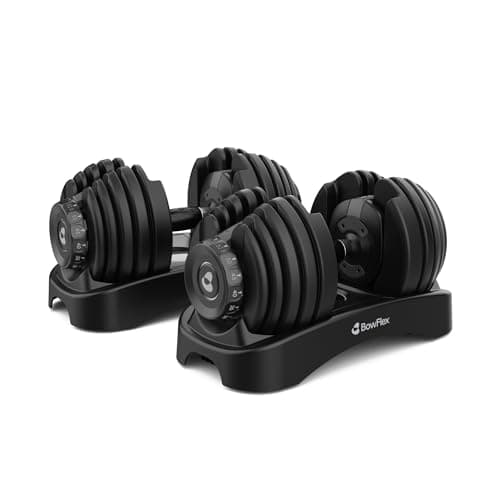
- Bowflex SelectTech 552 - one-arm rows, where each side works alone. 5 to 52.5 lb a hand on a dial, and the pick if you want one purchase that trains far more than your back.
- SUNPOW assistance bands - the budget pick, and the highest-value item here per dollar. Five loops that take a portion of your bodyweight off a pull-up until you do not need them.
What we left off, and why
No lat pulldown machine, despite it being the obvious back machine. It is a good purchase and it is a much bigger one than a bar and a band, and it trains the same vertical pull. Ranking a $200 tower next to a $30 band set on a page about patterns would bury the better value. Six ways to get a pulldown are ranked on best lat pulldown machines, and cable work generally is on best home gym cable machines.
No back extension bench or hyperextension frame. Our registry has none, and the brief we work to does not let us invent a product to fill a slot. A Romanian deadlift with the bar you already own covers most of the same ground.
No back pain or rehab recommendations, which bears repeating because the search phrasing invites them. We are not clinicians; this page ranks equipment for training healthy back muscles, and an injury is a clinical question first.
And no upgraded band resistance claims. The bands here are described with the manufacturer’s own nominal levels and we have not converted them into pounds of assistance, because no published figure supports that conversion.