Arms are the easiest body part to equip and the easiest to overspend on. Biceps and triceps are small muscles, which means two things: they need small weight increments to keep progressing, and they get a large share of their work from exercises you are already doing. A row trains your biceps. A press trains your triceps. Direct arm work tops that up rather than replacing it.
So the answer is a pair of adjustable dumbbells that moves in 2.5 lb steps. That single purchase covers curls, hammer curls, skullcrushers, overhead extensions and kickbacks, progresses in jumps small enough for a muscle the size of your biceps, and also does your rows and presses. If you already own dumbbells, the best additions are a bar to hang from for chin-ups and either a band set or a rack pulley for pushdowns.
Two movements, and the step size that matters
Arm training is two patterns. Elbow flexion - curls of every kind - and elbow extension - skullcrushers, overhead extensions, pushdowns, close-grip presses. Cover both and the muscles are covered.
What people get wrong is the jump size. Going from a 25 lb curl to a 35 lb curl is a 40 percent increase, and your biceps cannot absorb that in one session. A 2.5 lb step is about 10 percent, which is a sensible progression. This is why increment, not maximum weight, is the spec to shop for in arm equipment - and why the cheapest fixed-weight sets are a poor fit for arms specifically. The wider version of this argument is in progressive overload at home.
What to look for
Small, usable increments. Both our dial and plate-loaded picks publish 2.5 lb steps. That is the number to check on any set you are considering, and it matters far more than a high ceiling - nobody curls 52.5 lb per hand for years.
A bench that sits upright. Seated and incline curls change the angle the biceps work at, and overhead extensions need back support. An adjustable bench does both, which is why we never recommend a dedicated curl station - see how to choose a weight bench.
Something to hang from. Chin-ups load the biceps with a large share of your bodyweight, and there is no cheaper way to get that. A doorway bar with a published capacity and a frame-width spec is the renter-safe route.
A cable option, eventually. Triceps pushdowns are genuinely better on a cable than with a dumbbell, because the resistance stays on through the whole range. You do not need it on day one. When you want it, the cheapest honest version hangs off a rack.
Our arm-training picks - live prices, last verified October 5, 2026
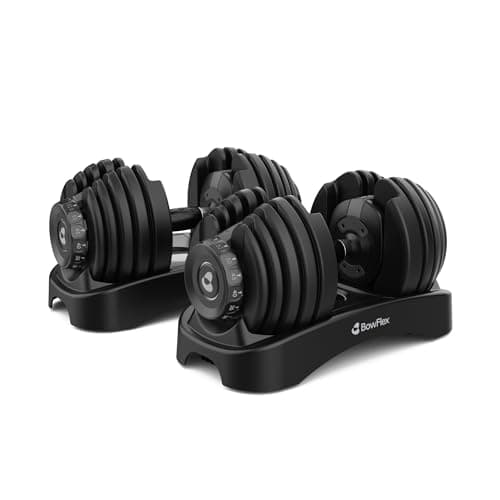
Bowflex SelectTech 552
The dial-adjust benchmark: one dumbbell replaces 15, from 5 to 52.5 lb, in a footprint the size of a shoebox.
#ad · Price as of October 5, 2026 · Affiliate disclosure
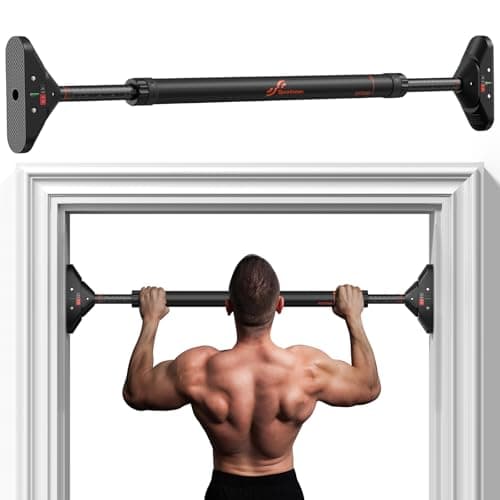
Sportneer No-Drill Doorway Pull-Up Bar
A no-drill doorway bar rated to 440 lb — adds the single best upper-back exercise without touching the wall.
#ad · Price as of October 5, 2026 · Affiliate disclosure
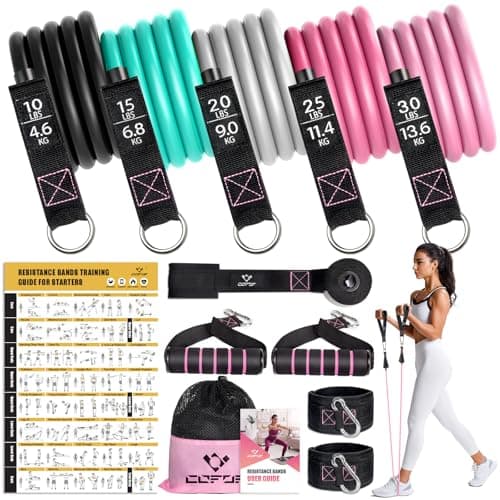
Resistance Bands with Handles (5-level)
A stackable 5-tube band set with handles and a door anchor — a real strength option when weights won't fit.
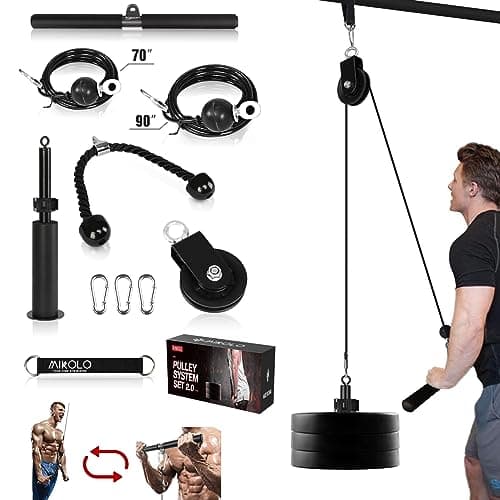
Mikolo LAT and Lift Pulley System
A loading pin, two cables and a pulley that hang off the rack you already own — the cheapest honest way to add cables to a home gym.
#ad · Price as of October 5, 2026 · Affiliate disclosure
How the options compare
The pulley deserves its honest caveat here as much as anywhere: it is excellent value and it has no seat, no leg hold-down and one cable, so it does pushdowns and pulldowns rather than anything simultaneous. For arms specifically, that is almost all you want from a cable, which is why it punches above its price on this particular page.
What to skip
Arm machines. A preacher curl station or a dedicated triceps machine trains one muscle in one position and occupies floor space permanently. In a spare room, that space is worth more as a bench.
Grip gadgets sold as arm builders. Spring grippers train grip, which is useful and is not the same thing as arm size. If grip is the goal, heavy carries and hangs do more - see the farmer’s carry.
A second lighter dumbbell pair “for arms”. That is what the adjustment mechanism is for. If your set only moves in 10 lb jumps, the fix is a set with smaller steps, not a second purchase - and the comparison is in how to choose adjustable dumbbells.
The verdict
Buy adjustable dumbbells with 2.5 lb steps and train your arms after your pressing and pulling. Add a doorway pull-up bar for chin-ups, which load the biceps harder than any curl you can hold, and a band set or a rack pulley when you want pushdowns with constant tension. That is the whole shopping list - under a couple of hundred dollars at the prices our layer last verified on October 5, 2026, in less space than a side table, and with nothing in it that only trains arms. The machines in this category are the clearest example on this site of equipment that sells well and belongs in nobody’s spare room.