Skip to content

01

Best Bumper Plates for a Home Gym

Rubber plates you can set down hard without wrecking the floor. Three sets, ranked on what is actually in the box - because a 160 lb set with no 45s loads nothing like a 160 lb set with them.

By Stephen V., Home-gym enthusiastLast updated November 7, 2026How we pick
Affiliate disclosure: Barbell & Bench earns a commission when you buy through our links, at no extra cost to you. We only make money if you buy — never for recommending. How this works.

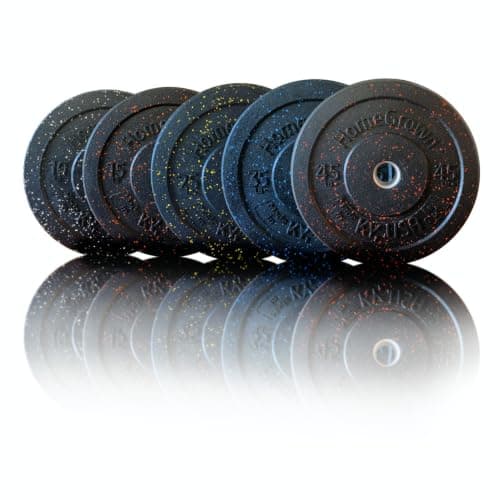
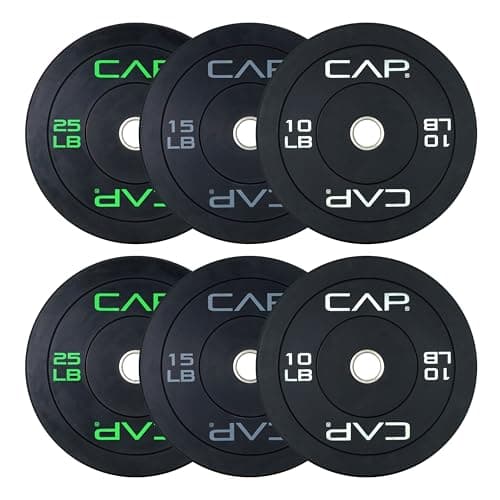
Buy the Homegrown Lifting URA-MAX 160 lb set. It is the only set here that includes a pair of 45 lb plates, which is the plate a starter bumper set almost always leaves out and the one that makes a barbell load the way you expect - two 45s and a 45 lb bar is 135 lb, the number every beginner programme is written around. It is crumb rubber with a recessed stainless steel insert, made in Lexington, Kentucky. The budget pick is the CAP 100 lb economy set: pairs of 10, 15 and 25 lb on a 2-inch bore with steel floating hubs, and the cheapest honest route into droppable plates we can find.

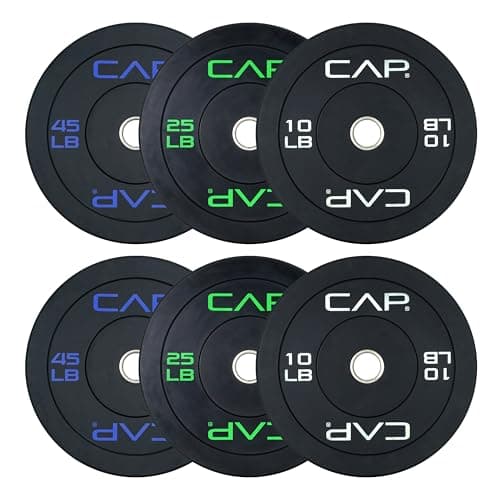
In between, the CAP 160 lb set is the straightforward starter: the same total weight as the Homegrown set for less money, and enough to squat and deadlift from day one. The trade is the one named above - no 45s, so your bar carries more, thinner plates to reach the same weight, and it looks emptier than the number suggests.

One thing to settle before you buy any of these, because it is the actual decision and not a detail: bumpers are for setting a loaded bar down hard. If your gym is a bench, a rack and controlled lowering onto J-hooks, iron plates are thinner per pound, cheaper per pound and fit far more weight on the sleeve. Bumpers earn their price when the bar leaves your hands - deadlifts set down from the hip, a missed squat dumped onto safeties, anything Olympic. Bumper plates vs. iron plates settles that properly, and are bumper plates worth it makes the honest case both ways. If you have already decided on rubber, this page picks between the three sets.

Prices come from our live price layer and were last verified November 12, 2026. Every plate breakdown and construction detail below is the manufacturer’s own published text - we have not dropped, weighed or durometer-tested any of these.

02

The picks, ranked

Three bumper sets - ranked

#ProductBest forScorePrice
1
Homegrown Lifting URA-MAX 160 lb Colored Bumper Set

A crumb-rubber 160 lb set that includes a pair of 45s - the plate that makes a barbell load and look the way you expect.

Best overall8.5
$160.00 · View on Amazon

#ad · Price as of November 12, 2026 · Affiliate disclosure

2
CAP 160 lb Olympic Bumper Plate Set

A 160 lb economy bumper set — enough to squat and deadlift from day one, droppable without wrecking the floor.

Best starter set8.1
$167.99 · View on Amazon

#ad · Price as of November 12, 2026 · Affiliate disclosure

3
CAP 100 lb Economy Olympic Bumper Plate Set

The cheapest honest way into droppable plates: pairs of 10, 15 and 25 lb on a 2 in bore with steel hubs.

Budget pick8.2
$99.99 · View on Amazon

#ad · Price as of November 12, 2026 · Affiliate disclosure

03

Every pick, reviewed

Homegrown Lifting URA-MAX 160 lb Colored Bumper Set
01
Best overall

Homegrown Lifting URA-MAX 160 lb Colored Bumper Set

Homegrown Lifting

8.5

A crumb-rubber 160 lb set that includes a pair of 45s - the plate that makes a barbell load and look the way you expect.

Total
160 lb
Includes
Pairs of 45, 25 and 10 lb
Construction
Recycled crumb rubber, urethane binder
Insert
Recessed stainless steel
Made in
Lexington, Kentucky, USA

What we like

  • A pair of 45s included - the one plate a starter set usually leaves out
  • Recessed stainless inserts, which resist the rust that kills plates in a damp garage
  • Made by a small US maker rather than relabeled from a catalog

Trade-offs

  • Crumb rubber is thicker per pound than virgin rubber, so sleeve space runs out sooner
  • Recycled rubber has a noticeable smell for the first few weeks indoors
  • Three plate sizes only - no 15s or 35s for fine jumps
Value
8
Beginner-friendly
8
Build quality
9
Space fit
6
$160.00 · View on Amazon

#ad · Price as of November 12, 2026 · Affiliate disclosure

CAP 160 lb Olympic Bumper Plate Set
02
Best starter set

CAP 160 lb Olympic Bumper Plate Set

CAP Barbell

8.1

A 160 lb economy bumper set — enough to squat and deadlift from day one, droppable without wrecking the floor.

Total
160 lb
Type
Olympic bumper (2")
Bounce
Medium

What we like

  • Rubber bumpers protect the floor
  • Enough weight for early squats and deadlifts
  • Standard 2" bore

Trade-offs

  • You'll add weight within a year
  • Bumpers take more shelf space than iron
$167.99 · View on Amazon

#ad · Price as of November 12, 2026 · Affiliate disclosure

CAP 100 lb Economy Olympic Bumper Plate Set
03
Budget pick

CAP 100 lb Economy Olympic Bumper Plate Set

CAP

8.2

The cheapest honest way into droppable plates: pairs of 10, 15 and 25 lb on a 2 in bore with steel hubs.

Total
100 lb
Includes
Pairs of 10, 15 and 25 lb
Bore
2 in Olympic
Hub
Steel floating insert
Bounce
Medium

What we like

  • Rubber bumpers mean a missed rep lands on the plate, not your floor
  • Steel floating hubs rather than a molded sleeve, at the cheapest tier
  • Color-coded weight markers, so you are not squinting at a worn number

Trade-offs

  • 100 lb on a 45 lb bar is 145 lb total - a squat will outgrow it inside a year
  • No 45s, so the bar looks and loads emptier than the number suggests
  • Medium bounce still bounces - plan where the bar lands
Value
10
Beginner-friendly
9
Build quality
7
Space fit
8
$99.99 · View on Amazon

#ad · Price as of November 12, 2026 · Affiliate disclosure

04

How to choose

The headline total is the wrong number to shop on

This is the single most useful thing on the page. Two sets can both say 160 lb and give you completely different gyms, because what matters is which plates make up the total.

What is actually in each box, with live prices as of November 12, 2026

SetPlates includedConstruction / insertCheck price
Homegrown URA-MAX 160 lbPairs of 45, 25 and 10 lbRecycled crumb rubber, urethane binder; recessed stainless insert
$160.00 · View on Amazon

#ad · Price as of November 12, 2026 · Affiliate disclosure

CAP 160 lb set160 lb total, no 45sEconomy Olympic bumper, 2" bore; medium bounce
$167.99 · View on Amazon

#ad · Price as of November 12, 2026 · Affiliate disclosure

CAP 100 lb economy setPairs of 10, 15 and 25 lbSteel floating hub, 2" bore; colour-coded markers
$99.99 · View on Amazon

#ad · Price as of November 12, 2026 · Affiliate disclosure

Work the arithmetic through with a standard 45 lb Olympic bar and the gap opens up:

  • Homegrown 160 lb: bar plus the two 45s is 135 lb, and everything is loaded with three plates per side at most. Clean, and it matches how programmes are written.
  • CAP 160 lb: the same 205 lb maximum on the bar, reached with more plates per side. Fine for squats and deadlifts, and more fiddly to load.
  • CAP 100 lb: bar plus everything is 145 lb total. That is a real squat for a beginner and it is the first thing you will outgrow - probably inside a year, as the listing itself says.

Which means the honest ranking is not about rubber quality at all. It is: how much weight do you need, and do you want the 45s now or later?

Crumb rubber vs. virgin rubber, and why sleeve space matters

Bumpers are made two ways and the difference shows up in a place beginners never think to look - how much room is left on the bar.

  • Virgin rubber is denser, so a plate of a given weight is thinner. More weight fits on the sleeve before you run out of bar.
  • Crumb rubber is recycled and less dense, so the same poundage is physically thicker. The Homegrown set states this trade openly, and it also has a noticeable rubber smell indoors for the first few weeks.

For a home gym at these weights the thickness rarely bites - you are three plates a side at most, and a 7-foot bar has sleeve to spare. It starts to matter when you get strong enough to run six or eight plates a side, which is a problem to have later. What matters more in a garage is the insert: a recessed stainless steel hub is the part that resists the rust that actually kills plates in a damp room. That is the Homegrown set’s strongest claim.

For the whole plate category, including the iron option and the bore-size mistake you cannot undo, read best weight plates for a home gym and how to choose weight plates.

Bumpers do not make a floor dropproof

Worth saying plainly, because it is the most expensive misunderstanding in this category. A bumper plate protects itself and the bar. It spreads the impact, it does not absorb all of it, and “medium bounce” still bounces. Dropping 200 lb onto a tiled floor, a laminate floor or a suspended wooden floor will still damage the floor and will still travel through the house.

What you need underneath is a drop pad: thick rubber, in the spot where the ends of the bar land, not wall-to-wall coverage. Our best gym flooring for deadlifting page covers that sizing specifically, best rubber gym flooring ranks the rubber options, and if you are upstairs or over a neighbour then home gym noise reduction and can you put a home gym upstairs are the two to read before you buy plates at all.

Who each pick is for

  • Homegrown URA-MAX 160 lb - you want the set you will not immediately supplement. A pair of 45s in the box, recessed stainless inserts for a damp garage, and a small US maker behind it. Crumb rubber is thicker per pound and smells for a few weeks.
  • CAP 160 lb set - the straightforward starter. The same total weight for less money, enough to squat and deadlift from day one, and no 45s - so the bar loads with more plates per side.
  • CAP 100 lb economy set - the budget pick. Pairs of 10, 15 and 25 lb with steel floating hubs and colour-coded markers: the cheapest real bumper set rather than a cheap plate pretending to be one. 145 lb total with the bar, which you will outgrow.

What we left off, and why

No cast iron plates, including the iron set we recommend elsewhere. This page exists for people who have already decided they want to put the bar down hard, and iron does not do that job. If you have not decided, bumper plates vs. iron plates is the page to read first - and note that iron is no longer reliably cheaper, which is the assumption most buyers still carry. Compare the live prices rather than trusting the old rule.

No standard 1-inch plates. A 1-inch bore will never fit an Olympic bar and there is no adapter we will recommend. That mistake is covered on best weight plates for a home gym.

No competition-spec plates. Thin, tightly weight-toleranced, steel-disc bumpers are excellent and cost several times these sets; nothing in our registry sits in that class, and we are not going to invent an entry to fill the slot.

And only three picks, which we would rather state than pad. Our registry holds exactly three bumper sets with a live price, and the alternative to a three-pick page is adding a product we have not verified or listing one whose price we cannot read. Neither is worth a fourth row.
05

Common questions

What are the best bumper plates for a home gym?

The Homegrown Lifting URA-MAX 160 lb set. It is the only set we rank that includes a pair of 45 lb plates - which is what lets you load the 135 lb that beginner programmes are written around - and it uses recessed stainless steel inserts that resist the rust that kills plates in a damp garage. If the budget is tight, the CAP 100 lb economy set is the cheapest honest route into droppable plates.

How much bumper plate weight do I need to start?

Work it out with the bar, not without it. A standard Olympic bar is 45 lb, so a 100 lb set gives you 145 lb total and a 160 lb set gives you 205 lb. For a complete beginner, 145 lb is a real squat and deadlift - and it is the first thing you will outgrow, usually inside a year. If you can afford the 160 lb set now, it saves you a second purchase.

Do I need a pair of 45 lb bumper plates?

Not immediately, but it is the plate most starter sets omit and the one you end up buying separately. Two 45s on a 45 lb bar is 135 lb, which is the load almost every beginner programme uses as a milestone, and it means fewer plates to load per side. One set here includes them; the other two do not.

Are bumper plates better than iron plates?

Only for one job: putting a loaded bar down hard. Bumpers spread the impact of a dropped deadlift or a dumped squat without destroying the plate or the bar. For a gym where every rep is lowered under control onto J-hooks, iron is thinner per pound and fits far more weight on the sleeve. The old rule that iron is the cheaper option is no longer reliable - compare the live prices on the day.

Will bumper plates protect my floor?

Partly, and not enough on their own. A bumper plate is designed to protect itself and the barbell by spreading the impact - it does not absorb all of it, and a set described as 'medium bounce' will still bounce. Dropping real weight onto tile, laminate or a suspended wooden floor will still cause damage and still travel through the building. You want a thick rubber drop pad where the ends of the bar land.

What is the difference between crumb rubber and virgin rubber bumper plates?

Density. Virgin rubber is denser, so a plate of a given weight is thinner and more weight fits on the bar's sleeve. Crumb rubber is recycled, less dense and therefore thicker per pound, and it usually has a noticeable rubber smell indoors for the first few weeks. At home-gym weights the thickness rarely matters; what matters more in a garage is whether the steel insert is recessed, because that is what resists rust.

Read next

→

Rubber, or iron?

Bumpers only earn their price if the bar leaves your hands. We put the two materials side by side on cost per pound, sleeve space and what each one survives.