Why the bench outranks the dumbbells
This is the one ordering decision on the page that surprises people, so here is the reasoning in full.
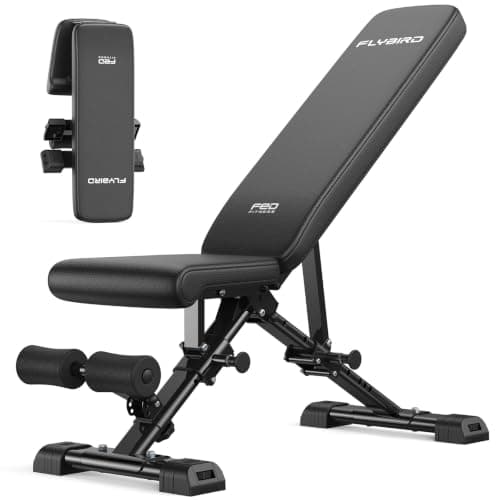
A dumbbell floor press is a real exercise. It is also a partial press: the floor arrests your upper arm roughly level with your torso, so the bottom third of the movement - the part where your chest is longest and working hardest - never happens. Add a bench and the same dumbbells suddenly do a full-range flat press, an incline press that shifts load toward the upper chest and collarbone, and a decline press that shifts it down and out.
One purchase, three angles. That is a better return than a second pair of dumbbells, and it is why the bench is first on a page about chest training rather than second.
The exception: if you already own a bench of any kind, skip straight to the load. Our flat vs. adjustable bench guide covers whether the flat bench you have is enough, and best weight bench under $200 is the price-capped version of the same shortlist.
The four pressing angles, and what each one needs
- Flat. The reference press. Dumbbells on a flat bench, or a barbell in a rack. Needs: a bench, and load. Nothing else on this page replaces it.
- Incline. Bench back at roughly 30 to 45 degrees. Shifts work toward the upper chest and front shoulder. Needs: an adjustable back pad - this is the angle a flat bench cannot give you at any price.
- Decline and dips. Head-low pressing, or a forward-leaning dip, which is the same movement with your bodyweight as the dumbbell. Needs: a decline-capable bench, or a dip stand. The dip stand is usually the cheaper route to real load.
- Fly / adduction. Arms sweeping together rather than pressing out. Needs a cable or a band, because a dumbbell fly loses all its tension at the top of the rep where a cable keeps it.
Four angles, and the first two come from one bench. That is the whole shape of this purchase, and it is why the list is six items rather than sixteen. How to bench press at home walks the flat press itself, and how to do dips at home covers the progression into the dip.
What each pick publishes
Two things to read carefully in that table. The bench capacity is independently ASTM-certified; the dip stand's 1,200 lb is the manufacturer's own claim on 1.5 mm steel, and we are not going to pretend those are the same class of number. And the cable station has to be bolted into a solid wall - if you rent, that pick is out, and the band set does the fly instead.
Who each pick is for
- FLYBIRD WB5 bench - everybody, first. ASTM-certified to 800 lb, folds flat, and it is the single purchase that turns one pair of dumbbells into three different presses. If you are over about 6 ft 2 in, look at the folding bench ranking for stored size and the tall-lifter page for pad length - geometry matters more than price at that height.
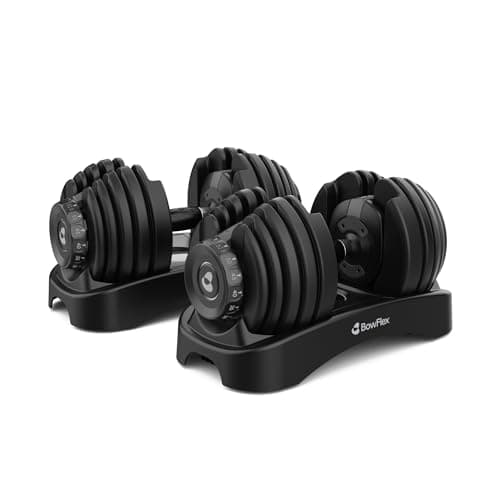
- Bowflex SelectTech 552 - the load, if you want one purchase to cover years. 5 lb a hand is light enough for a first incline press and 52.5 lb is heavier than most beginners will flat press for reps within two years. Buy the current Results Series listing; older 552 units sold through May 2025 are under a CPSC recall.
- papababe 7 ft Olympic barbell - you have outgrown dumbbells and own (or are buying) a rack. 45 lb of bar before a single plate, which is already a working set for a beginner. Never bench a loaded bar at home without safeties: best power rack under $500 ranks the frames on exactly that.
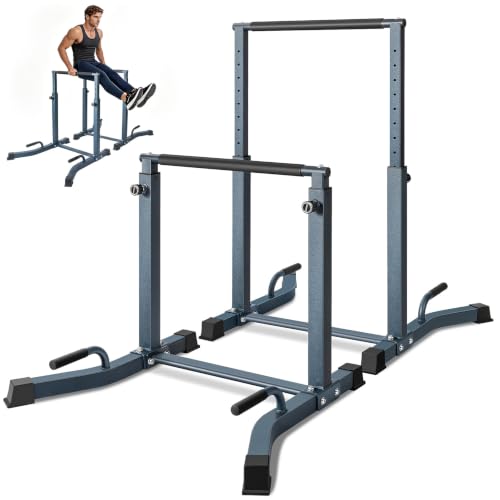
- HEMERIS adjustable dip bar - you want hard chest work without buying more iron. A forward-leaning dip loads your chest with most of your bodyweight, and the 10-level height range means you can set it low and keep your feet down while you build up to a full one.
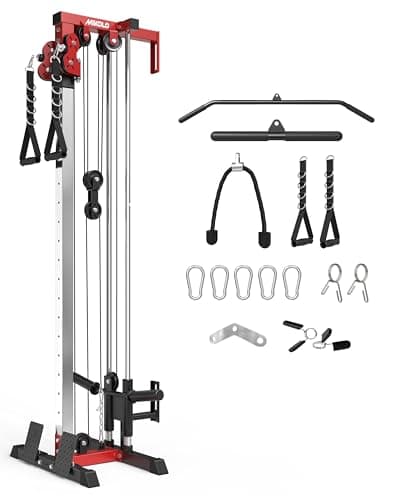
- Mikolo wall-mount cable station - you own the wall and you want flyes that stay hard at the top. Dual pulleys across 19 heights, plate-loaded, with the lat bar and tricep rope in the box. It is 82 inches tall, so measure a basement ceiling first.
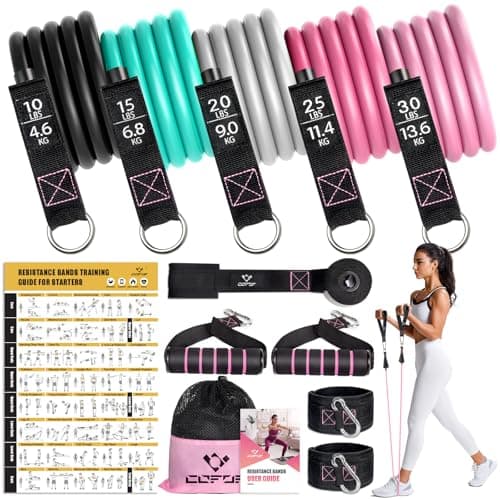
- Resistance bands with handles - the budget pick, and the right answer if you are not yet sure you will train. A door anchor plus two handles gives you a standing press, a standing fly and a passable warm-up for every other pick on this page. Band ratings are nominal, not measured - treat a printed pound figure as a manufacturer equivalence rather than a load.
The order to buy in, if you cannot buy it all
Most people reading this page will buy one or two things, so here is the honest sequence.
- Smallest budget: bands with a door anchor. Press, fly, and nothing to assemble.
- Next step up: the bench plus a cheap adjustable pair. Three angles and progressive load - this is the point where chest training genuinely starts working.
- The version that lasts: the bench plus the 552s. Nothing else on this page changes your results as much as having 2.5 lb jumps available all the way to 52.5 lb.
- Beyond that: the dip bar for bodyweight load, then cables for flyes. Both add an angle rather than more of the same.
Progressive overload at home is the part that actually decides whether your chest grows, and it is free. Equipment only buys you the angles.
What we left off, and why
No pec deck or chest-fly machine. Our registry holds no verified standalone pec deck, and the rule on this site is explicit: we do not invent a product to fill a slot. The cable station and the bands both do adduction, which is what a pec deck is for.
No Smith machine, even though a guided bar presses. It is a rack-class purchase rather than a chest purchase, and it is ranked on best Smith machines for a home gym.
No push-up handles or parallettes. Push-ups are excellent and free; they do not need a purchase to start, and the parallettes we rank are on best dip stations where floor height is the ranking axis.
And no fabricated numbers. We have not benched on any of these. Every figure above is published by the listing, and where a listing publishes nothing, this page says so instead of estimating.