The thing no ab equipment can do
We will get this out of the way first, because a lot of the search traffic that lands here is looking for something no purchase provides.
Abdominal muscles become visible when the fat covering them is thin enough, and that is a function of food and total energy balance over months. There is no machine, roller, wheel or belt that makes it happen faster, and anything marketed that way is selling you a mechanism that does not exist. A strong trunk is a different and genuinely useful goal: it makes your squat and deadlift safer, your pressing more stable, and your back less likely to complain.
So that is what this page ranks for - trunk strength you can progressively load. If you want the body-composition side, that conversation belongs with a dietitian rather than with an equipment site.
The four jobs your trunk actually has
- Hanging flexion. Hanging knee and leg raises. Your trunk flexes against the weight of your own legs, which is far more load than a floor crunch, and it is adjustable by how straight you keep your knees. Needs: a bar to hang from.
- Anti-extension. Planks, L-sits, rollouts, hollow holds. Your trunk stops your lower back from arching under load. Needs: nothing, or elevation to make it harder - which is what parallettes do.
- Anti-rotation and anti-lateral flexion. Pallof presses, one-sided carries, suitcase holds. Your trunk stops you twisting or tipping. Needs: a band and an anchor, or one heavy thing held in one hand.
- Loaded flexion. Cable crunches and weighted sit-ups. The only trunk job where you can add pounds to a pin, which makes it the one that progresses most cleanly. Needs: a cable or a pulley with a loading pin.
Four jobs, and almost every "ab machine" sold online does a version of the first one badly. This list covers all four with picks that can each be made harder over time.
What each pick publishes
Note the parallettes row. That listing publishes no weight capacity at all, and rather than estimate one from the look of the photographs, the cell says so. They are low bars you put your hands on, so the load on them is your bodyweight through two points - but a published figure is a published figure and we are not going to invent one.
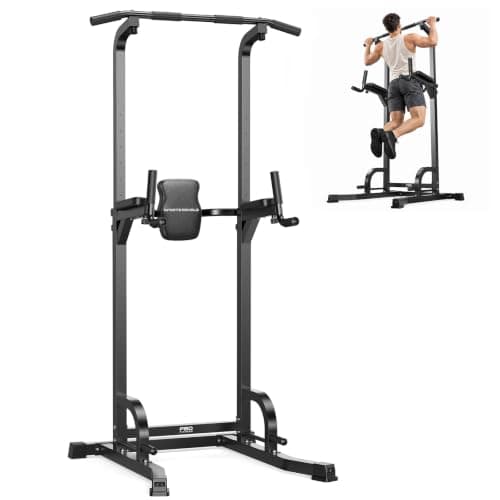
Note also what the tower publishes that most frames in its class do not: an actual bar height range and an actual footprint. If your ceiling is 7 feet, that is the number that decides whether you can hang at all, and it is the reason this pick is ranked first despite claiming the lowest capacity of the towers we rank. Our best power towers page ranks the whole class on capacity and base design instead.
Who each pick is for
- SPORTSROYALS power tower - you have about 12 square feet and want the best-loaded trunk work available at home. Hanging raises with a backrest to brace against, dips and push-ups from the same frame, and the only published bar height range in its class. Weight the base with a couple of plates or dumbbells before you train hard - no tower listing tells you to, and all of them benefit.
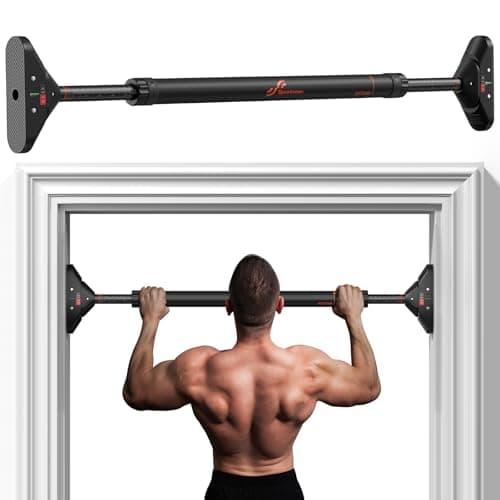
- Sportneer doorway pull-up bar - you rent, or the floor is not available. 440 lb rated, 29.5 to 37 inch adjustment, no drilling, and it comes down between sessions. Hanging knee raises off a doorway bar are the same exercise as hanging knee raises off a tower.
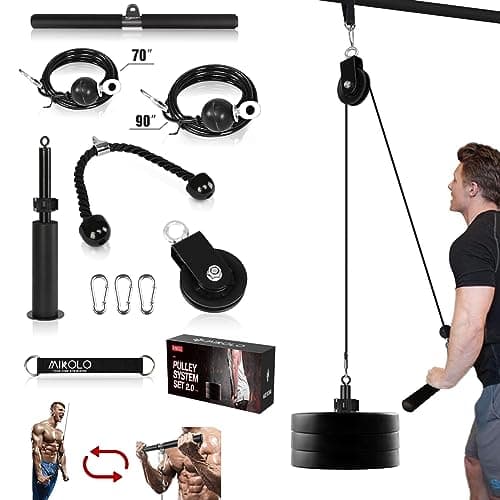
- Mikolo LAT and lift pulley system - you already own a rack, a pull-up bar or a beam, and you want the one ab exercise you can add weight to. A kneeling cable crunch progresses by plates, not by reps, which is why it keeps working long after bodyweight work has stopped getting harder. Useless on its own: it needs something to hang from and plates for the pin.
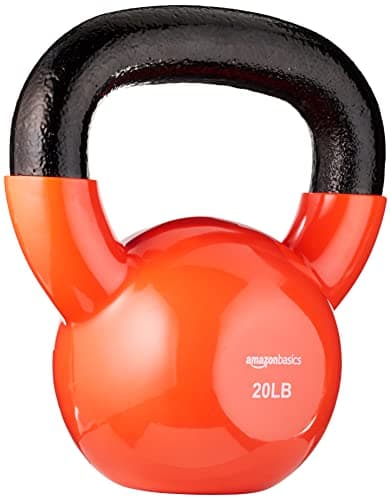
- Amazon Basics 20 lb kettlebell - the cheapest real load in the house. Carry it in one hand the length of a room and your obliques do the work of keeping you upright. 20 lb is a sensible first bell for carries and goblet squats; our kettlebell ranking covers the weight decision properly.
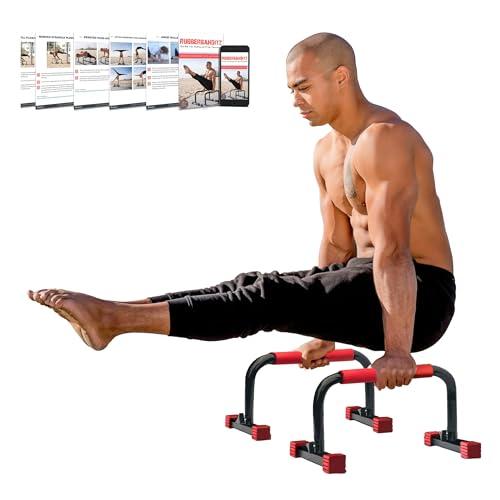
- Rubberbanditz parallettes - you want hard floor work in no space at all. Raising your hands turns a plank into a tuck hold and a tuck hold into an L-sit, and they store under a sofa. No capacity published, as above.
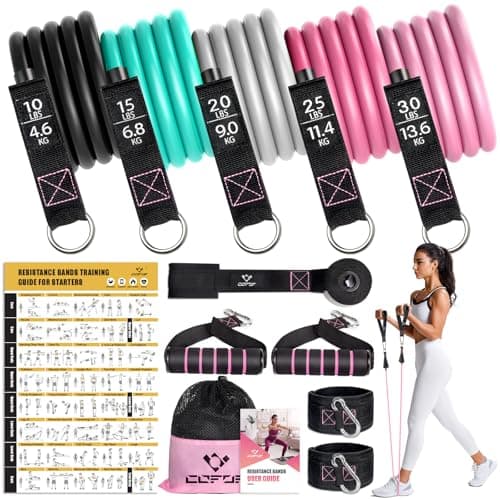
- Resistance bands with handles - the budget pick, and genuinely complete: anchored in a door, one band does Pallof presses, standing crunches and rotations. Band ratings are nominal manufacturer equivalences rather than measured loads, so progress by stepping away from the anchor rather than by trusting the printed number.
What we left off, and why
No ab roller wheel, ab bench or crunch machine. Our registry holds no verified listing for any of them, and we do not invent a product to fill a slot. The parallettes and the bands cover anti-extension and anti-rotation respectively, which is what those products are for.
No EMS belts, vibration plates or "stomach" devices of any kind. There is no mechanism by which they do what they are sold for, and this site is not going to rank one to catch a query.
No second hanging option beyond the two here. Joist, ceiling and wall-mounted bars all hang you in the air just as well and are ranked by where each one mounts on best pull-up bars for a home gym - a second one here would be the same exercise at a different drill point.
And no fabricated numbers. One of these six listings publishes no capacity at all and the table says so. The tower's 360 lb is the maker's claim, not a certification. We have hung from none of them.